Systems Change and Solidarity
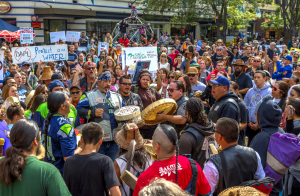
Frontline social movements are powerful. They have a vision for what this world could look like beyond the dominant capitalist system and proven solutions to the polycrisis we are in. Frontline movement leaders recognize that wealth was built off their backs while they continue to navigate the consequences of injustice. Some corners of philanthropy are being reshaped by leaders closest to the issues. These leaders are rewriting the rules of who controls capital and how wealth should be distributed.
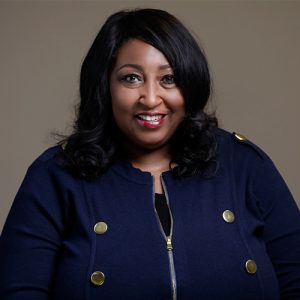
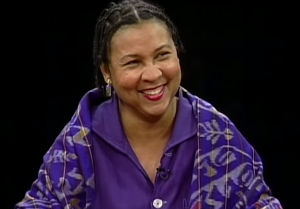
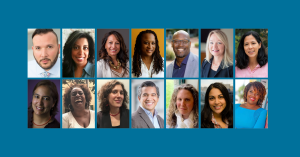
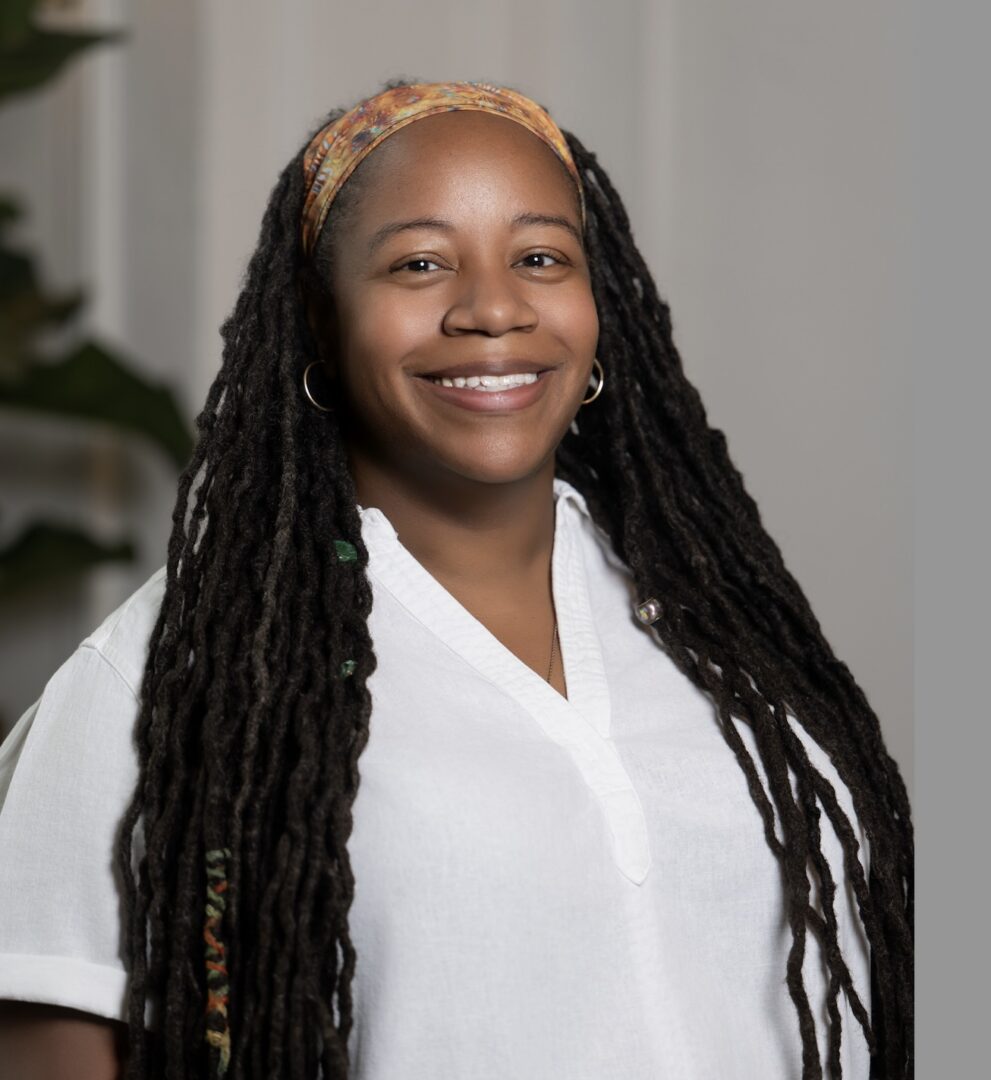
In part three of NCRP’s Movement Accountable Funder Intermediary blog series, I had the pleasure of interviewing Nikki Brown-Booker, Borealis Philanthropy’s Program Director for the Disability Inclusion Fund (DIF), and Sadé Dozan, Borealis Philanthropy’s Vice President of Advancement. Though the first two blogs focused exclusively on climate justice centered intermediaries, this piece will shine a light on the disability justice movement with an understanding that climate justice is deeply intersectional.
Disability Justice is Climate Justice
Borealis Philanthropy was founded in 2015, born out of a need for more intersectional funding. Since its inception, it has moved over $200 million to grassroots frontline movements working beyond the philanthropic check boxes imposed on them. Borealis distributes this funding via 5 pillars: race, gender, and disability justice; media, journalism, and narrative change; community safety and justice; movement infrastructure; and economic justice and inclusion. Pillars are not silos.
“The intersectional approach rooted in how communities actually live outside of silos is what’s going to get us to a more liberatory future,” Dozan said. ” I’m intersectional, and so are our movements, and that’s how we need to evolve.”
Ensuring that the world we are envisioning includes folks with disabilities is a key priority for Borealis Philanthropy. The climate crisis affects more than 1 billion disabled people globally, yet disabled folks are disproportionately left out of conversations around climate mitigation and adaption. For Brown-Booker, this is an issue close to home. Living in California means dealing with increasing wildfires. Thinking through a safe evacuation plan takes preplanning. However, accessibility measures for disabled people are often left out of disaster response plans.
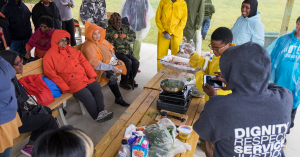
As Borealis funds intersectionally, many of its grantees do not have a siloed climate focus. However, they fund climate related groups such as Imagine Waterworks in New Orleans which works at the intersections of art, science, and mutual aid in the face of water-related climate disasters. It also funds Kelly’s Kitchen in Bakersville, North Carolina, which helps decrease food insecurity through a disability justice lens, including putting on emergency food drives in the aftermath of climate disasters.
Let the Communities Lead
Brown-Booker’s work is also rooted in her own experiences as a disability justice practitioner. As someone who is Black and Filipino and has been disabled for “pretty much [her] entire life,” there is a deep connection to the importance of funding disability justice in the way disabled folks need it to be funded. Brown-Booker shared that, “Originally when the DIF started, we did a landscape analysis and really asked [the] community what it is that they wanted, because the DIF is really unique,” she said. “It’s the only fund that’s kind of doing what we’re doing.” The DIF does not fund a lot of direct service or research work because that is often funded disproportionately. Instead, it funds work such as technology for disabled folks, arts and culture work like Sins Invalid “joy” grants for disabled leaders to be able to rest, and collaborative grants to support groups working together on projects that serve disabled communities. Since the fund’s beginning in 2020, it has moved $19 million to disabled communities working toward justice and liberation.
Additionally, all Borealis’ grants are general operating support instead of being tied to specific projects, and it engages in a participatory grantmaking process where communities make the decisions on where the funding goes. Borealis also has an open-door policy for grantees to ask questions. Grantees can always set up a meeting with their program officer about anything.
“I think that makes us unique from other funders in that we really do believe that we want to hear and listen to community,” Brown-Booker said. “Because that’s all about the accountability to the movement space.”
Donor Accountability
Though both Brown-Booker and Dozan are clear that their responsibility is to the communities they serve, as an intermediary, Borealis still needs to fundraise.
Dozan leads with curiosity when talking with donors. For her, donor engagement goes beyond donor education.
“There is an intentionality in inviting donors [and] funders to ‘move differently.’ Dozan shared. “We think about them as invitations because, also, people don’t really come to understanding in the same way. If I share a rapport with a donor that doesn’t move them, my first instinct isn’t necessarily, ‘well, they don’t care.’ My question that I also really encourage across my team is ‘What are 3 other ways that they may need to have this information?’”
Helping funders understand the needs of the communities Borealis is serving is important.
“The next time that they’re sitting in a room making a decision about capital, they are asking a different question because of something that they learned through us,” Dozan said. “And that is how we hold each other accountable. That’s when I know the engagement’s working.”
Accessibility on All Fronts
Borealis grantees often come from historically under-resourced communities. While mobilizing resources is the number one priority in ensuring organizational stability, there is also a huge need for capacity building, executive leadership transition support, and mentorship.
“We are constantly asking what the ecosystem needs besides a check,” Dozan said. For her, it is about “infrastructure and ecosystem investment.”
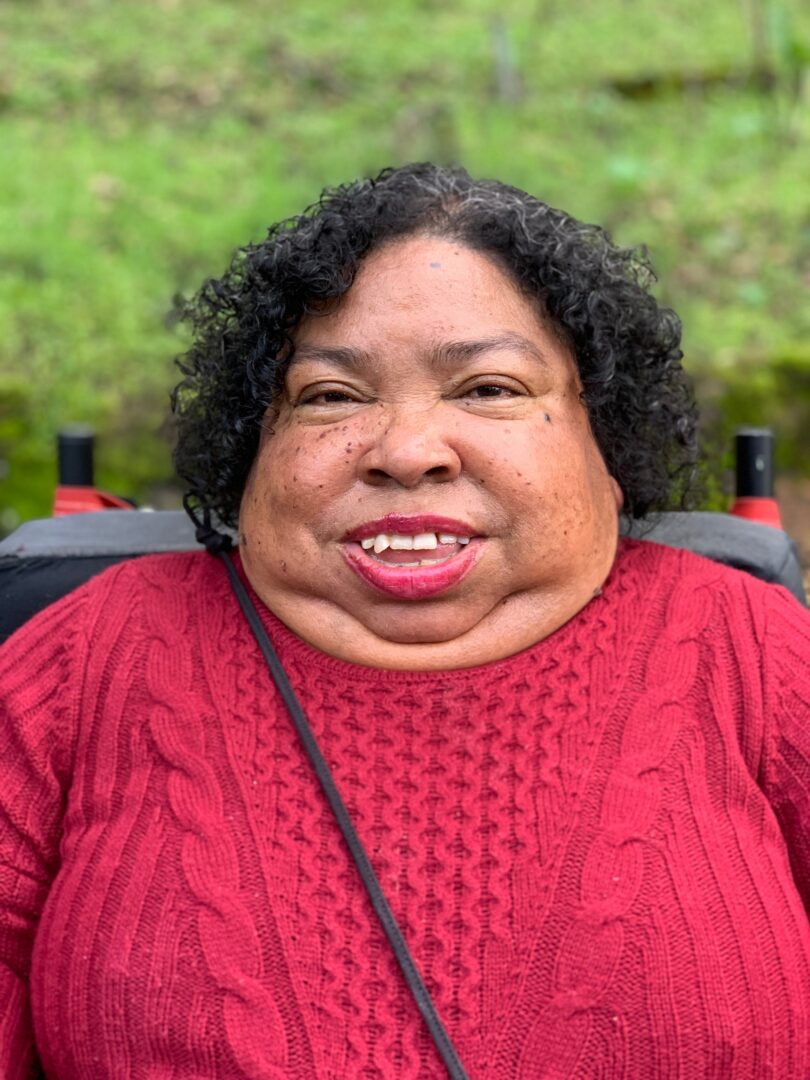
It brings Brown-Booker joy to see how some DIF grantees have grown over the fund’s six years of operation.
“To a grantee that … has not had an accounting system set up before, we were able to set them up with a coach who could help them figure that piece out or help them think through how they build out an HR system from the ground up that works for the community, works for the organization, and works for the individual employee,” Brown-Booker said. “A lot of funders aren’t actually thinking of those pieces.”
Brown-Booker also ensures that her grantees can submit documents in forms that work for them, like a PDF or a video submission. Borealis has grant applications in plain language so that folks with cognitive issues can read and understand them. Additionally, Borealis does automatic renewals, has very minimal reporting requirements, and hosts informational webinars for all of its requests for proposals.
It is important for Borealis that part of accessibility means being completely transparent and honest with its grantees about its own limitations as an intermediary. Dozan believes that frontline organizations need “generational commitments,” but that also requires that Borealis’ donors make generational commitments to the organization.
Where Should Risk Live?
This is the question that Dozan posed to me when I asked how Borealis is responding to shrinking philanthropic resources in our current political moment. “Institutional anxiety often moves downhill. If a foundation gets nervous, sometimes it’ll make adjustments to its language or narrow [its] portfolio and add another layer of review, and every individual decision that gets made maybe feels super rational inside that institution,” she said. “But by the time it gets to grassroots organizations … [Those] organizations [are] now carrying that accumulated anxiety of almost an entire philanthropic ecosystem.”
Frontline communities that already carry a disproportionate amount of serious risk in many forms are also navigating a decrease in funding. Borealis understands its role in this. On the funding side, it is moving money to frontline organizations faster, especially in times of acute crisis. It created the Security, Action, and Freedom for Everyone initiative in 2025 to quickly move dollars in light of increased attacks on the communities it serves.
Borealis also doubled down on funding through Fund for Trans Generations and committed to the All by April campaign. Additionally, it hosts sessions with donors to help contextualize this moment and think through new forms of partnership.
Get Creative and Get Curious
Borealis Philanthropy works every day to ensure that the movements it serves are in control of where its resources go and that it leads the way toward its own justice and liberation. Dozan elaborated on Borealis’ role in the sector.
“Funders come to us because we’re close to movements, because we can interpret urgency, because we can see the patterns,” she said. “We have the ability … to be that connective tissue … but, at some point philanthropy has to be willing to be changed by what it knows … We cannot just carry the complexity and expect institutions holding the capital to remain exactly the same.”
For Brown-Booker, the way forward is to lead by example. DIF has 123 grantees, and it is actively working on increasing that number.
“We’re not pulling back. We’re actually doing as much as we can, given our resources,” she said. “[We’re] stretching every dollar in order to serve out community.”
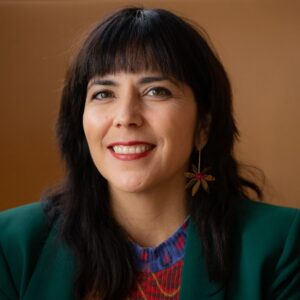
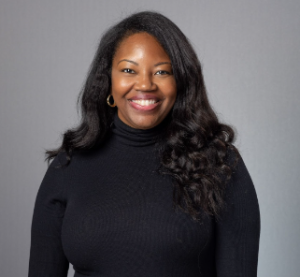
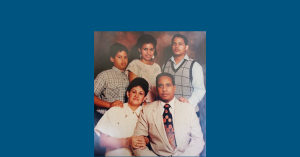
Nikki Brown-Booker is the Program Director of the Disability Inclusion Fund. As a person with a disability and a biracial woman, she has been interested in the intersection of disability justice and racial justice. Her mother immigrated from the Philippines and was a domestic worker and her father was a professional chef and a long term member of SEIU. She was taught at a young age that justice is a human right. She has a Masters degree in clinical psychology and is a licensed marriage and family therapist. Most recently she was the Executive Director for a nonprofit that provides emergency attendant care, wheelchair repair, and transportation for people with disabilities and seniors. She has also been doing organizing work with Hand in Hand: the Domestic Employers Network and helped pass the California Domestic Workers Bill of Rights.
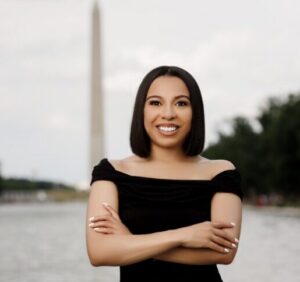
Sadé Dozan is a philanthropic advisor and culturist, whose work sits at the intersection of wealth, care, culture, and power. She serves as Vice President of Advancement at Borealis Philanthropy, leading organization-wide fundraising and communications strategy during a period of profound sector transition. She is also the Founder of Melanate, a movement infrastructure initiative cultivating leadership, narrative power, and resource fluency among Black women and gender-expansive people working in wealth and philanthropy.