Content Warning: details of gendered violence and femicide
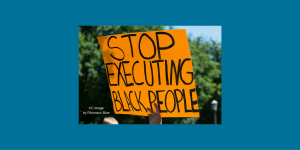
The murders of Black women, girls and gender-expansive people like Tatyana Aliyah Brooks, Khadijah Muhammad, and so many others whose names never reached headlines are not isolated incidents. They are part of a sustained crisis of anti-Black gendered violence that this country continues to normalize through silence, neglect, and abandonment.
Black women, girls and gender-expansive people are being killed by partners, stalked, disappeared, criminalized, and failed by every system supposedly designed to protect them. Families are left grieving while communities are left holding trauma that never fully heals. Still, the labor of responding falls back onto Black women. These organizers, healers, advocates, aunties, survivors, doulas, build safety nets out of almost nothing while organizations and systems with immense wealth continue to hesitate around fully resourcing this work.
The ongoing conversations around the retreat of major philanthropic investments into gender justice work, particularly the fallout connected to the unraveling of large-scale funding commitments from institutions like NoVo Foundation in 2020, cannot be disconnected from what we are witnessing now. When funders pull back from long-term investment in survivor-led organizing, Black feminist infrastructures weaken, mutual aid networks stretch beyond capacity; the safety movement shrinks.
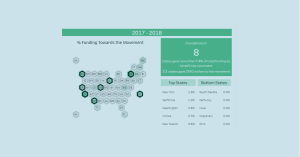
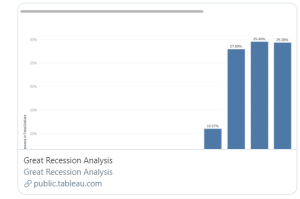
NoVo foundation didn’t just have the largest footprint for gendered violence prevention in the sector (96% to be exact). They prioritize gendered violence, securing 37% of all the domestic funding for women’s rights and services, specifically for Black women.
That is why NCRP gave them an Impact Award in 2013. As NCRP wrote about NoVo, “the foundation understands that solving the most intractable problems in the world requires mass mobilization.”
Black feminist movements have warned for decades that gendered violence cannot be separated from economic violence, housing instability, healthcare inequity, reproductive injustice, transphobia, state violence, and chronic divestment from Black communities.
As Russell Roybal, NCRP Executive VP and Chief Impact Officer said in their recent statement on collective safety, “Reproductive access, gendered violence and LGBTQ+ rights are not separate stories. They find each other at the margins and intersections of the work and the hurt. They are chapters of the same book, written on bodies that have been policed, punished and politicized for daring to exist outside of someone else’s control. They are held together by a shared truth: Bodily autonomy is sacred, and safety, dignity and joy are not privileges, but birthrights.”
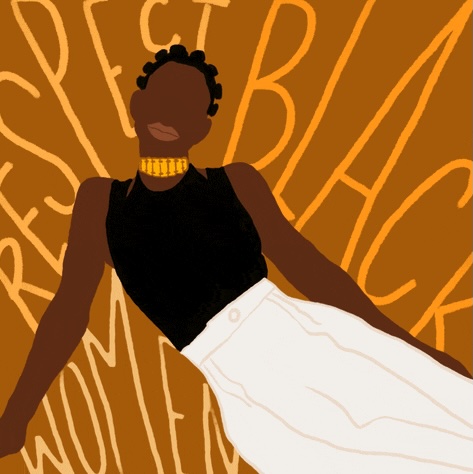
Safety was never just policing. Safety is culturally competent support systems that can intervene before violence escalates. Safety is Black women having the resources to leave dangerous situations and survive afterward.
Philanthropy has repeatedly failed to meet this moment with the urgency it demands.
For years, Black-led organizations carried entire ecosystems of care with minimal funding and impossible expectations. These organizations built emergency response systems where none existed. They organized reproductive justice, healing justice, transformative justice, and survivor-centered care organizing because traditional justice systems consistently failed Black communities. They created spaces where Black women and femmes could be believed, protected, and supported without criminalization or shame.
Funders continue to treat this work as secondary, “fad funding” to support temporarily during moments of public outrage, rather than work that must be sustained as essential infrastructure. Philanthropy moves rapidly after a tragedy trends publicly but makes little commitment to the long-term conditions necessary to prevent that violence in the first place.
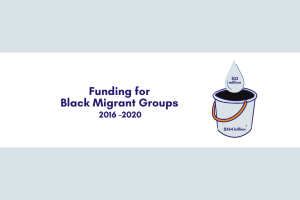
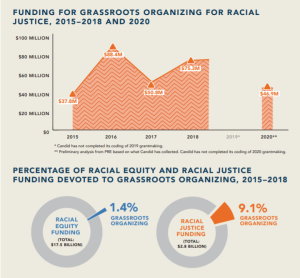
In 2020, new funders needed to commit approximately $95 million dollars towards combating gendered violence to fill the gap in funding the Buffetts created. This huge funding gap left by the abrupt ending of NoVo’s Ending Violence Against Girls and Women program was never filled. Now more than ever, more funding and action is needed to invest in the safety of Black women, girls and gender-expansive people.
Black feminist organizers have already given philanthropy the blueprint. The issue has never been a lack of strategy. The issue has been a lack of political courage, a lack of funding, and a lack of action to invest in the safety of Black women and girls.
If funders are serious about addressing Black femicide, then the response cannot stop at statements, convenings, or symbolic commitments. The philanthropic response must look like unrestricted, multi-year funding for Black-led and survivor-led organizations. Philanthropy must fund the total picture: healing justice, harm reduction work, housing support, reproductive justice, and abolitionist initiatives with the understanding that all of these are violence prevention strategies.
Every time philanthropy retreats from this work, Black women pay the price first.
The deaths of Black women are not inevitable. They are the result of policy choices, funding choices, and societal choices that continue to devalue Black life while depending on Black women to hold entire communities together. While institutions debate priorities and protect endowments, frontline organizers continue doing life-saving work with too little support and far too much grief.
Black women deserve more than memorials after violence has already occurred. We deserve investment while we are still alive.
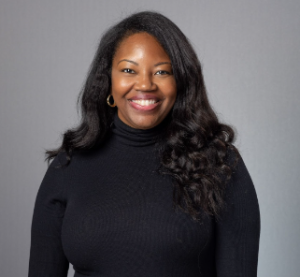
Brandi Collins-Calhoun is the Movement Engagement Manager at the National Committee for Responsive Philanthropy (NCRP). A writer, educator and reproductive justice organizer, they lead the organization’s Reproductive Access and Gendered Violence portfolio of work.