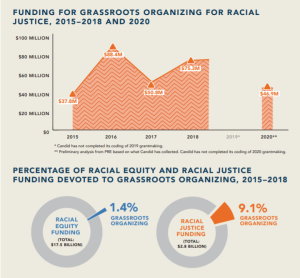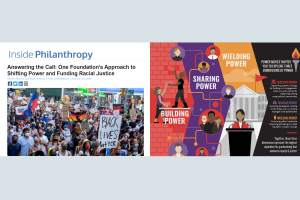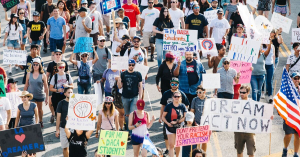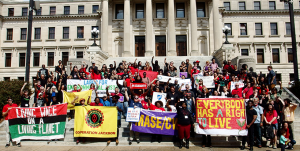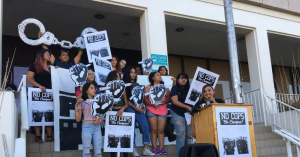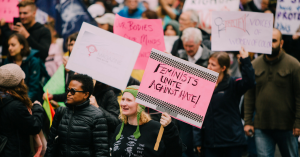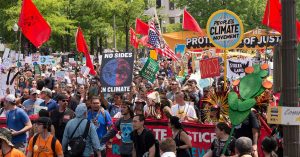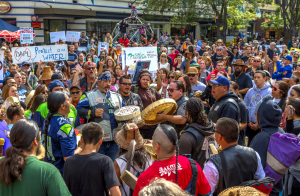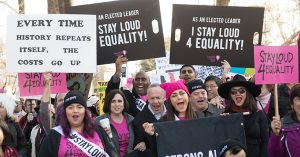
Across multiple issue areas, movement organizers express a desire for funders to understand the importance of funding people and organizations on the frontlines of these crises. But often the conversation goes deeper: what if we as movement leaders had our own folks running these funds? This query changes the conversation from a fund being movement accountable to also being movement-led.
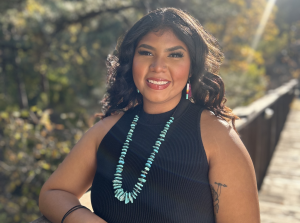
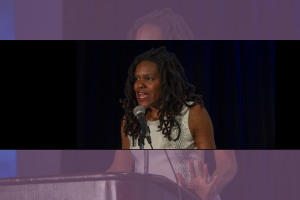
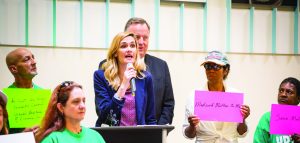
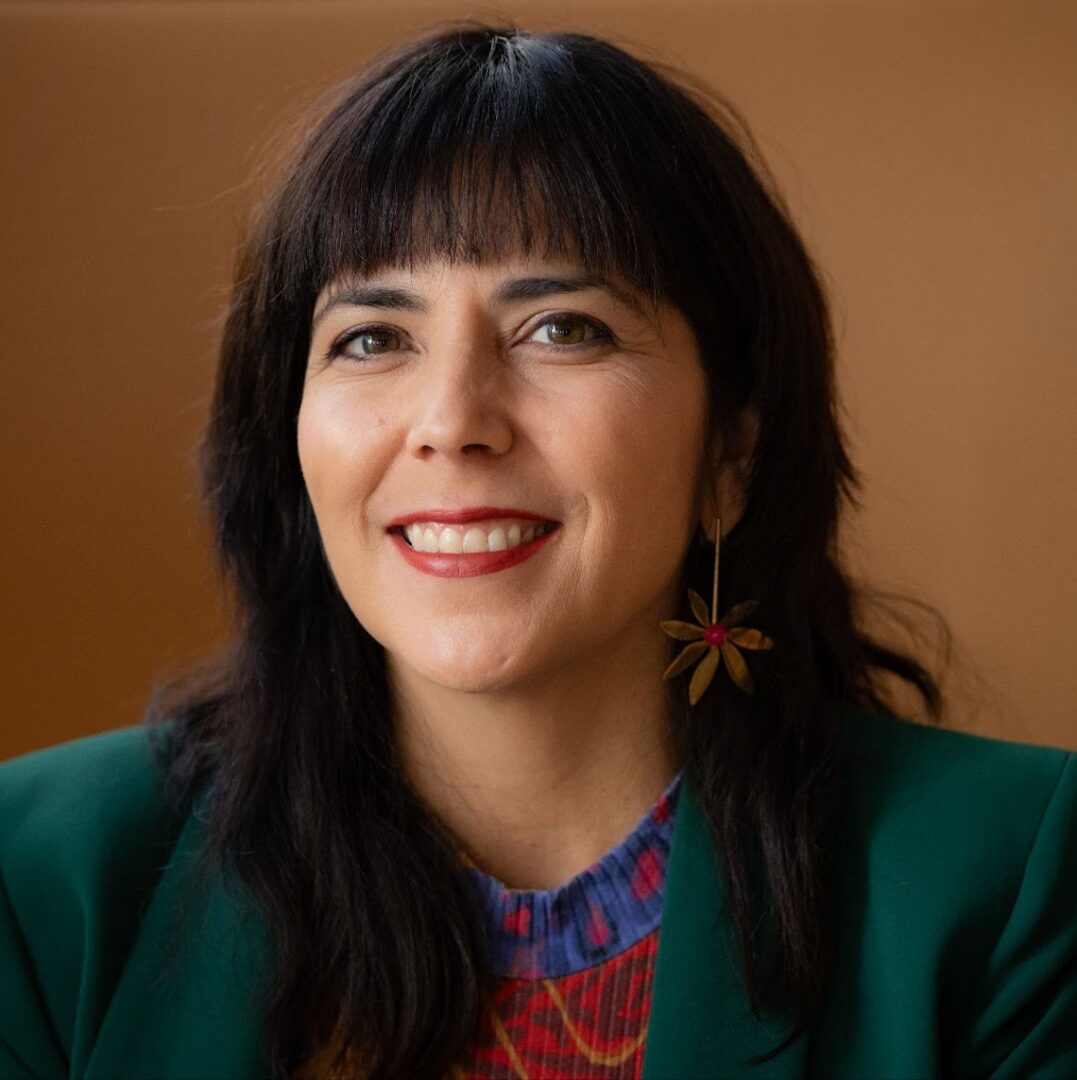
I had the second of four pieces in our series on the importance of frontline movement accountable intermediaries details a conversation with the Executive Director of the Climate and Clean Energy Equity Fund [the Equity Fund], Andrea Mercado, formerly Executive Director of the movement organization Florida Rising. Mercado started her role at the Equity Fund in early 2025. Over the past year, she helped steward the Equity Fund’s core strategies – supporting movement groups by prioritizing resourcing, narrative strategy, and policy support.
A Decade of Results
The Equity Fund is turning ten this year. Starting with a goal of regranting resources to climate and environmental work, the Equity Fund began refining its state-based strategy to focus on three main pillars of change: structural policy, narrative and behavior change.
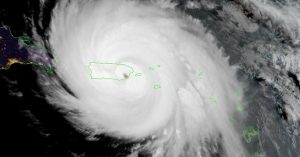
By focusing on climate equity in fourteen states, the Equity Fund supports organizations on the ground long term. The fund has moved $162 million to over 200 grantee partners with no plans to stop any time soon. The Equity Fund recognizes that by advancing a state-by-state resourcing strategy, they are building the infrastructure to support local policy wins on climate justice. When I asked Mercado what it means to fund intersectionally across multiple issue areas in service of advancing climate equity and justice, she said, “Our response has to be comprehensive…our members don’t lead single issue lives. We know that people in a lot of our communities are already underwater before it ever starts to rain.”Early in Mercado’s tenure at Florida Rising and in the middle of a special election, Hurricane Irma hit.
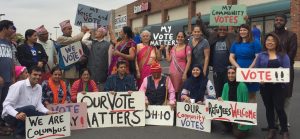
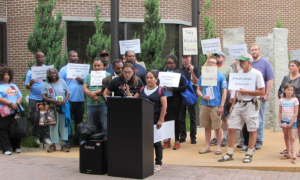
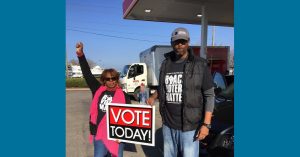
Canvassers pivoted to mutual aid, helping people who had lost power and did not have food or safe medication storage. They directed community members to vote early for a candidate who could ensure that their basic needs were being met before a climate disaster created a life-or-death situation. Florida Rising won extended early voting and mail in voting timelines and secured an extra $2 million in emergency SNAP benefits for impacted families. The litigation changed federal policy for emergency SNAP so that applicants across the country can apply online or over the phone rather than in person.
This mobilization illustrates the importance of funding intersectionally and highlights how important it is for organizers to be free to pivot in the moment and use all the tools in the toolbox, which can lead to big wins.
Accelerating Progress
In addition to nine funding priorities, the Equity Fund has both a Policy and Communications accelerator. The Policy Accelerator houses a Climate Policy Fellows program, a multi-year fellowship which helps to incubate public policy strategists within grantee partner organizations with the purpose of deepening their understanding of the climate policy landscape and growing the bench of movement-based policy practitioners This past year they had 25 fellows across 14 states. Through the Communications Accelerator, the Equity Fund supports organizations actively advancing narrative strategy and change work and guides their grantee partners toward equity driven campaign narratives. These two accelerators support each other. “[In] order to shift the politics of a state requires narrative power, in addition to electoral power or civic engagement power from a c3 standpoint,” says Mercado.
This focus on advancing state policy wins led the Equity Fund to participate in the All by April Campaign and grant out 98% of their funds by Earth Day last year, which ensures that organizations have the resources to do civic engagement work without waiting for late election season funding. They plan to move the majority of their grantmaking dollars before Earth Day again this year.
Mercado’s organizing experience reveals an important process-point for others: policy wins do not start at the statehouse, but on the ground in the communities most impacted by the issues. The Equity Fund’s longtime funding of base building in New Mexico laid the groundwork for unprecedented workforce development victories. Base building in Michigan laid the groundwork for the Money Out of Politics Ballot Initiative.
Investing in community base building helps in rapid response moments as well. Last winter, the Department of Homeland Security began Operation Metro Surge in Minnesota, flooding the Minneapolis-St. Paul area with thousands of agents. The Equity Fund has funded organizations in Minnesota since 2018 and was able to move $200,000 in January 2026 to support crisis response efforts in those communities.
In December 2025, the Equity Fund also announced that they will support more rapid response work and organizing across emerging issue areas. As one of the recipients of the latest round of funding from Yield Giving, they will increase funding across their 14 states and beyond and will push back against AI data centers through their new Data Center Equity Fund.
Dreaming Bigger
Supporting systems change requires not only funding frontline work, but building and maintaining non-monetary support to help achieve climate policy wins in different states. The Equity Fund is a great example of what it looks like to build the scaffolding frontline climate justice organizations need to thrive. Granting long-term, general operating support funds, in addition to deepening relationships and building capacity, is a winnable strategy.
Mercado elaborates, “I think that the opportunity for us at the Climate Equity Fund is to leverage our resources to do right by those organizers that have always been the visionaries, the architects and the implementers of our most innovative and needed solutions.[…] We need a sector wide commitment to bold campaigns and innovation rooted in the incredible leadership in Black, immigrant and native communities. The urgency of this moment requires us to not waste time on people that clearly don’t care about community self-determination. It is imperative that we find each other and find ways to move together to be ever more powerful and impactful in achieving our shared dreams.”
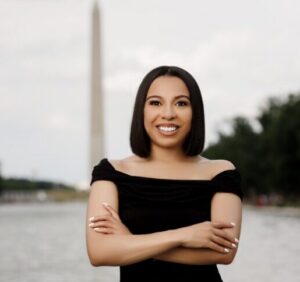
Andrea Cristina Mercado is the President and CEO of the Climate and Clean Energy Equity Fund. The daughter of immigrants from Peru and Argentina, she brings over two decades of experience in civic engagement, strategic campaigns, and multiracial community organizing. She served as the Executive Director of Florida Rising Together and the New Florida Majority Education Fund, where she spearheaded large-scale civic engagement programs that continue to grow political power that centers Black, Latino, and working-class communities. She is a co-founder of the National Domestic Workers Alliance, where she was Director of Campaigns and Co-Chaired We Belong Together. A former Fulbright Scholar, Mercado learned community organizing and developed a lifelong commitment to Climate Justice while working with farmworker communities in Brazil. She lives with her family in South Florida, where she was recently named Best Activist by the Miami New Times.