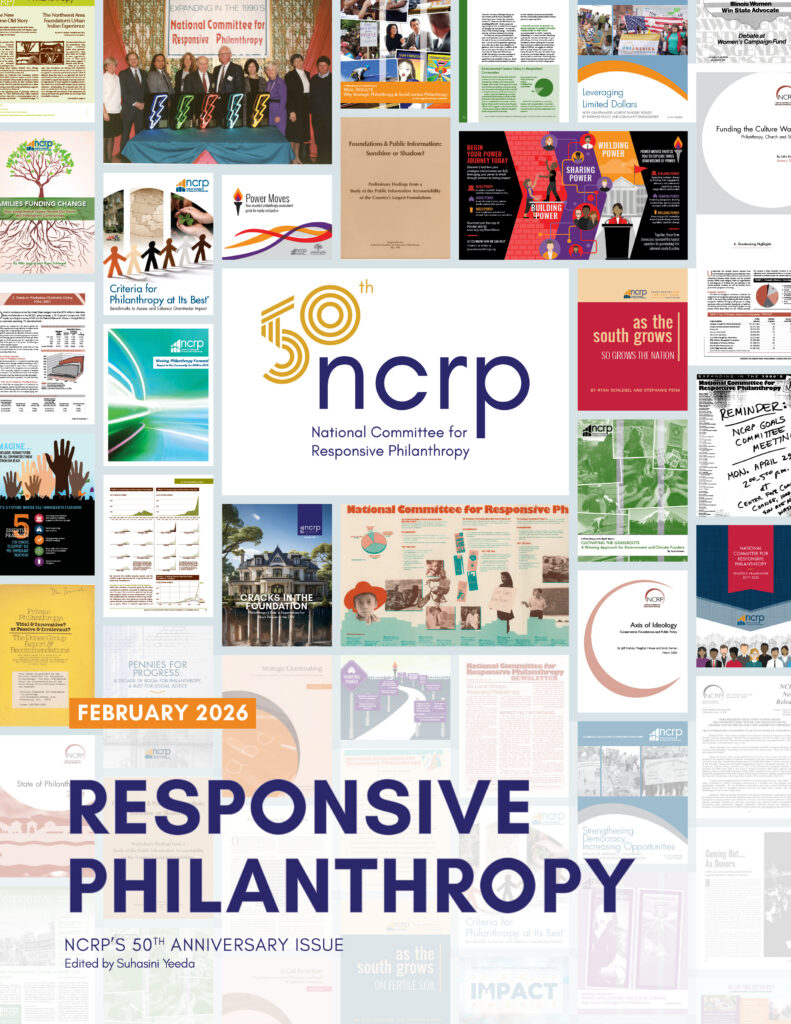
RP50 Cover Banner Version
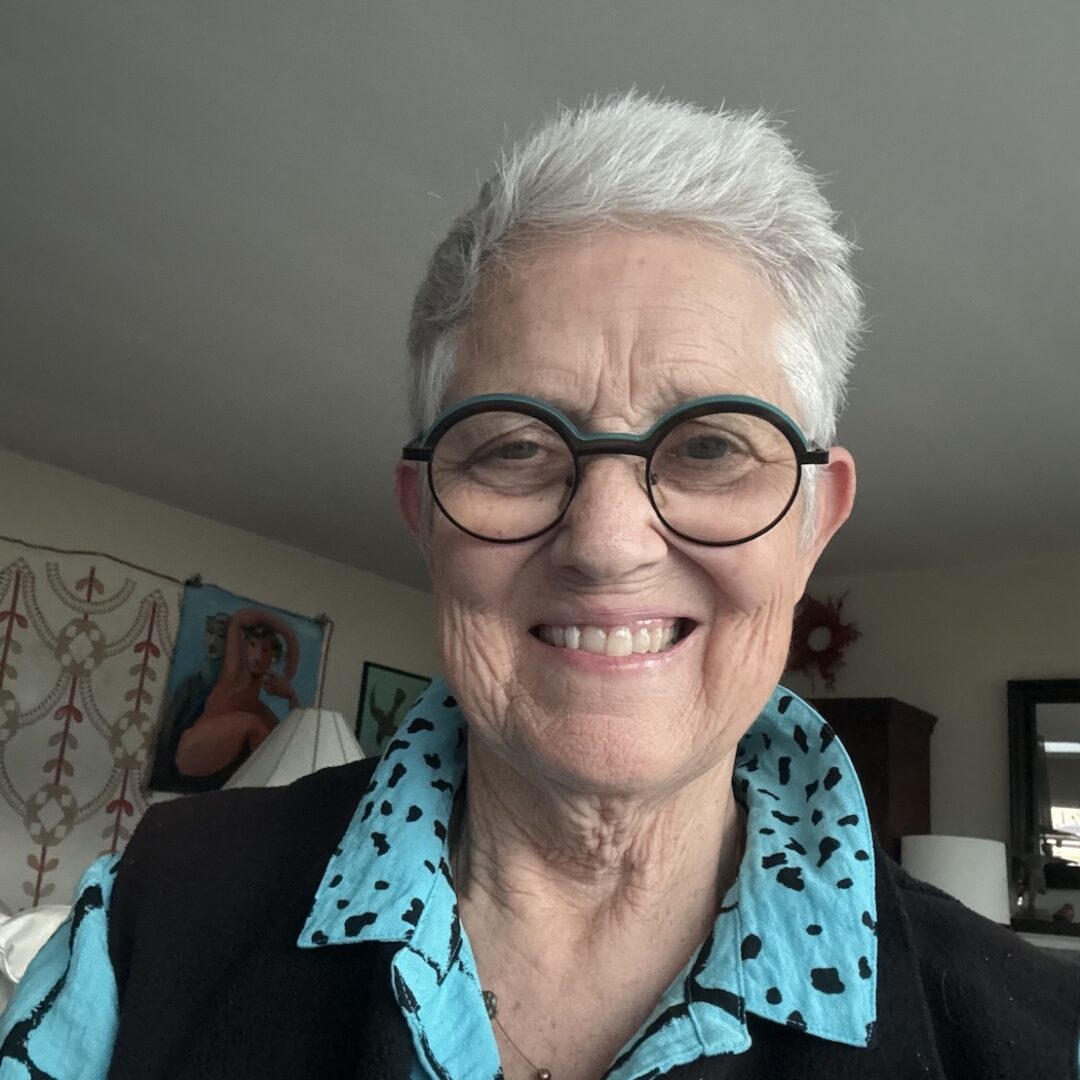
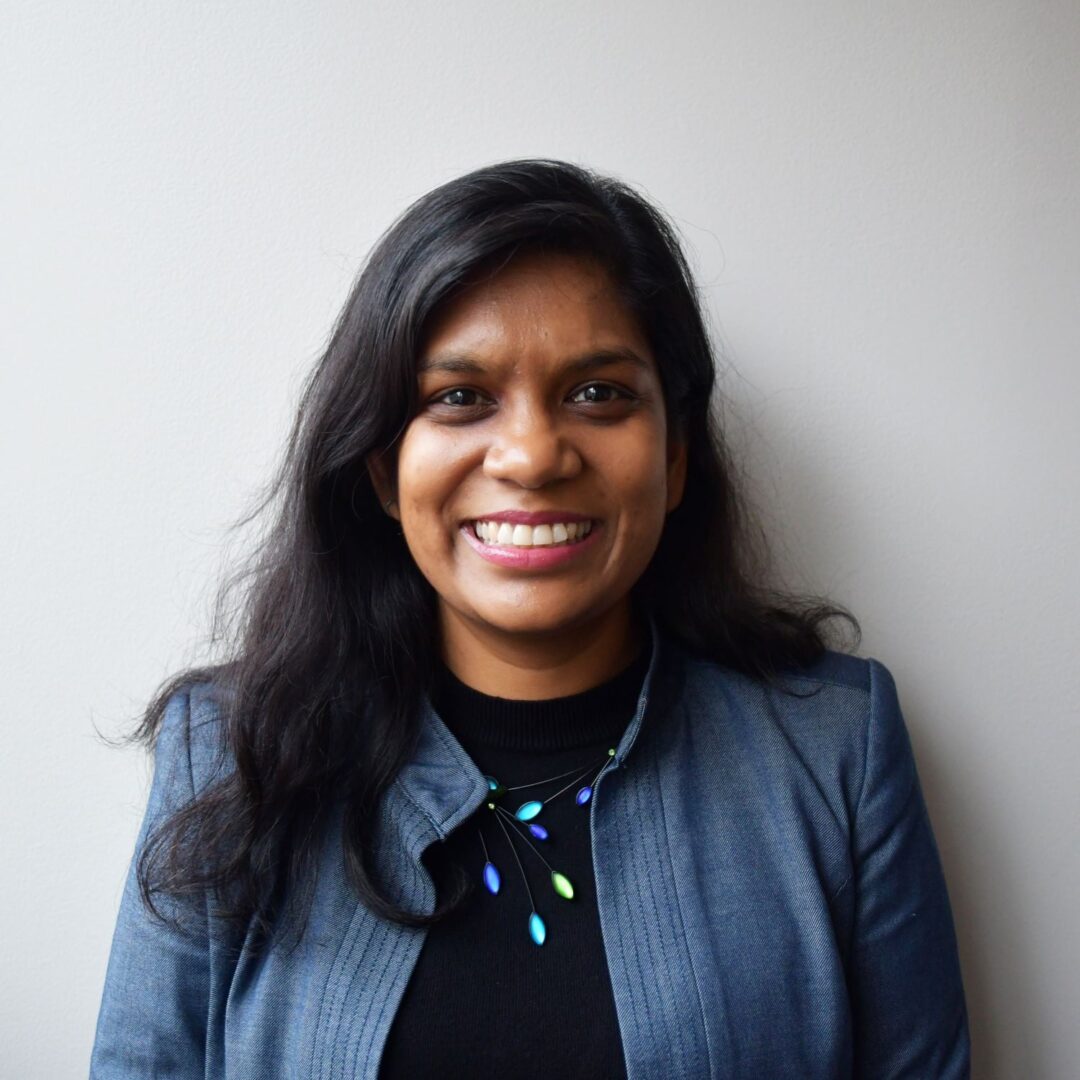
Suhasini Yeeda
Suhasini Yeeda

When the first Responsive Philanthropy (RP) journal was published, it did not have a fancy cover, website presence or social media platform on which to promote its content. It was born from the need to really dive into difficult or misunderstood subjects and expand the means of how language can create impact. Sure – it did not have the fancy frills of modern technology. What it did have, however, is what it still offers today – one of the nation’s few platforms for longform narrative within the philanthropic sector. A unique space for the best actors in our little world to share trade secrets, hail wisdom from lived experience over data points, see things from perspectives beyond our own and learn from the very best. It’s for folks in local settings to share their experiences as they undeniably relate to the national conversation.

While nonprofit websites, like our own, carry the strength of efficiently speaking to and about the sector in 800 words or less, sometimes we need more space to tell the whole story. Inside our flagship publication, you’ll hear from real experts about the most pressing issues facing our sector. RP and NCRP broaden the definition of expertise beyond data alone and value lived experience as a vital source of wisdom for the sector. In choosing depth over immediacy, RP prioritizes thoughtful reflection over speedy rapid-response statements. Longform storytelling becomes an art in itself, creating space for nuanced meaningful dialogue at a time that rarely allows for thoughtful reflection.

Our journal has covered a myriad of themes. In recent years, we have tackled issues like abortion and reproductive justicethe climate change movement and its fundersthe growing threats to our democracy, and the power of antifascist storytelling. The increasing importance of voice, the very real threats we are facing in losing our rights to free speech, and how much we have to say during increasingly unprecedented times are not lost on us. As writer and activist Arundhati Roy said, “there is no such thing as the voiceless, there are only the deliberately silenced, or the preferably unheard.” At NCRP, we take our responsibility as a leader in our field seriously to create space for voices that are too often silenced. By intentionally amplifying their perspectives, we not only broaden the conversation, but also encourage changemakers with greater resources, visibility and institutional safety to do the same.

A Look Back to the Beginning of Responsive Philanthropy

RP was born from the principle that philanthropy is at its best when it listens to and learns from the groups it seeks to serve. NCRP’s members – funders and nonprofits – recognized the need to organize locally and do better. From the beginning, the journal has amplified frontline voices by inviting stories from the field and showcasing them across the sector.

RP illuminated emerging practices like the federation model, which highlights how local communities are responding to challenges when their resources are aligned with their realities. It showcased how fully funded community foundations operate differently and more effectively through community-led change.

RP served to fill a gap in the philanthropy ecosystem around accountability, calling out bad practices and lifting up exemplary grant making. It was also a window into a sometimes-secret world of philanthropy for nonprofits. It pulled back the veil and showed how philanthropy worked or didn’t work for nonprofits. This was especially true for organizations led by and representing those with the least wealth, power and opportunity. This was the founding vision for RP and NCRP. We know that nonprofits have historically gotten plenty of money from philanthropy. The missing piece was bringing an explicit class, gender, race, migrant and climate justice lens to that process in order to question whether philanthropy’s “business as usual” is neutral. That was and remains a cornerstone that we explore through RP that many others do not. It made the issue plain and understandable.

It’s amazing to see that the journal’s first objective of organizing philanthropy has now inspired a career field that includes formal trainings, academic programs, and a new generation of practitioners committed to creating a more responsive and equitable world.

Preserved in the archives of the Lilly Family School of Philanthropy at Indiana University, RP acts as both record and roadmap. Its history reminds us that philanthropy’s role is not neutral, but as a provocateur and partner with the social movements pushing for justice today and in the generations to come.


Our Authors as Ancestors

We could not produce this journal without the talent and expertise of our authors. The wide perspectives we publish, including executive directors of nonprofit organizations, frontline organizers and activists, funder intermediaries, and NCRP’s own board members and former staff mates, also help us build a fair and true-to-form journal.

RP authors are often taking time out of their already-busy careers and personal lives to really dive into these longform articles, and they do it all with great passion as well as courage. For some of our nonprofit and frontline organizer authors, they take risks to write honestly about their expertise within philanthropy and speak truth to power in a way that should be inspiring to those with more privilege who are cowering in a moment when they have less to lose. Each of these articles, in their own little way, builds a blueprint for our sector to – simply put – do better.

We must not allow the temptation toward cowardice during ugly regimes like the one we are facing to win. Instead, we must run so far in the opposite direction that we create something so beautiful and free that we can really be proud of one day.

Our hope is that RP’s authors can look back in 50 years to these articles and see manifestations of the world we will build.


The Future of NCRP and Responsive Philanthropy

Philanthropy must continue to progress – not retreat. Founded in 1976 on the eve of the Reagan administration, NCRP emerged during a period of retrenchment that mirrors the challenges we face today. Then and now, social justice movements and the communities they serve have been under threat, and philanthropy has been asked to respond with courage rather than restraint.

NCRP has many examples of courageous narrative in our legacy. “As the South Grows” is a series of reports that addressed decades-long disparity in grantmaking in the South. “Power Moves” – still one of our most-viewed resources – encourages foundations to leverage their full power for equity and justice. Without the foundation of reports like “The Strategic Philanthropy of Conservative Foundations” we would not have the success of one of our most recent initiatives “Regressive Philanthropy,” where NCRP showcased how philanthropic giving designed to resist progress, maintain inequities, and ultimately take us backwards as a society has played a significant role shaping the authoritarian present. “Black Funding Denied” is our report critiquing community foundation support for Black communities, has a throughline to our more recent report “Cracks in the Foundation, Philanthropy’s Role in Reparations for the DMV.

Our reports, infographic data drops, blog articles and organizational newsletter are all done with courage and in spite of adversity or who sits in office. The RP journal is just one of the many ways we use our voice and the voices of the communities we serve to convince philanthropy to do better.

Since its inception, RP has served as a shared playbook for the field, documenting lessons from the frontlines and challenging philanthropy to be more accountable, equitable and community led. While its form has evolved – from newsletter to both printed and digital – it remains a vital space for learning from the sector’s best. In whatever form it takes in the future, we will remain steady in that mission – we can do better.

I am a firm believer that deep thoughts become clear words, and clear words have the power to create meaningful and impactful actions. NCRP is grateful to have multiple mediums to do that work: our immensely talented research team and the data we are known for, webinars and conference attendance where our movement leaders conduct and attend panels, and reports and publications that have helped built our reputation as a thought leader in this space. The keen perspective we offer is unique, provocative and not scared to explicitly name the difficult things.

We believe that longform narrative has the power to start and deepen dialogue to influence change makers and power holders. There are many vehicles for change, and no matter what form NCRP and RP take in the next 50 years, we will have the courage to challenge norms that don’t serve us, listen to and amplify the experts who hold the wisdom to know how to, and to be the conduit to change that we have been for 50 years.


About the Author

Suhasini Yeeda is the Editorial Manager at NCRP. She is also a published writer, a California Arts Council Emerging Artist Fellow, a two-time Pushcart Prize nominee, and The Best American Short Stories and Best of the Net nominee. She holds an MFA from Sarah Lawrence College and a BA from Texas Wesleyan University. Suhasini lives and writes in Los Angeles. 
Jeanné Lewis

During my 8 years as a senior leader at NCRP, I was part of countless conversations about diversity, equity and inclusion; intersectionality; and the disparate funding that goes to legacy institutions instead of marginalized communities. Thanks to NCRP’s 50 years of leadership and the thought leadership of the members of CHANGE Philanthropy, GEO and United Philanthropy Forum, among others, the philanthropic sector has made strides in the 21st century to leverage funding for power building and reparations for communities that have long been ignored or scapegoated.

Despite some progress, there is still a long way to go.

Organizations led by or focused on gender, youth, communities of color and other vulnerable populations still struggle to receive equitable funding compared to their white counterparts, prior to the Trump administration’s attacks on diversity-related causes and freezing $10 billion in funding to “Democratic-led” states and social programs.

Further, a rapidly changing media, cultural and political landscape is shifting the centers of power in our failing democracy. The K-shaped economy is widening the gap between the haves and have-nots across all sectors. The problems are complex, enormous and interconnected, and there’s no one-size-fits-all approach to meet the demand.

One funding gap that is seldom discussed is the decrease and lack of funding going from left-leaning funders to faith-based organizations. As the CEO of a faith-based non-profit during these tumultuous times, I am clear that this major funding blind spot must be addressed to make effective social change at this moment, or we risk generational loss. Progressive philanthropy has a strategic opportunity for growth. Funders must understand the role that faith and religious identity plays in our intersectional analysis of marginalized communities. For those looking to support civic engagement, rebuild our democracy and create an equitable society, faith-based work is a necessary strategy.

There is a paradox in left-leaning philanthropy when it comes to faith. There is a pervasive belief that faith-based groups are not strategic investments, yet many philanthropic professionals are people of faith. During my time at NCRP, many foundation staff, fundraising consultants and other industry professionals confided that their faiths and spiritual beliefs motivated them to work in philanthropy. However, they often did not feel comfortable explicitly discussing that aspect of their identity with their colleagues. The last 3 years have exacerbated interfaith tensions that already existed and made it more difficult for people to share their faiths. Despite these ongoing challenges, faith groups and leaders are core strategic partners for effective change.

If philanthropic professionals draw on their spirituality to apply strategic thinking to funding, it follows that faith leaders driving social change do the same. Faith groups – often misunderstood by modern philanthropy – are established in communities across America and quietly shape policy, culture and democracy at scale. They are already established and actively serving their communities. Across political divides, racial lines and income brackets, faith leaders remain some of the most trusted messengers in American life.

For funders serious about long-term impact, power-building and systemic change, that matters. It’s time to fund faith, now more than ever.


Faith Leaders Are the New Policy Influencers

NCRP has successfully motivated philanthropy to fund policy shops, advocacy and think tanks. Funding faith-led advocacy is not a departure from that strategy – it is an expansion of it.

When policymakers want to understand what their constituents believe, they often look to faith leaders first. Gallup reports that clergy rank among the top most trusted professions in the United States, well above journalists, politicians and business leaders.

That influence emerges not only in sermons, but in city councils, state houses and congressional hearings. Elected officials don’t want to risk the ire of a faith leader with a large following.

To our collective detriment, fringe, right-wing clergy have been the most vocal and best funded. Historically, they’ve distorted and weaponized faith for their political gain to justify oppression and violence against marginalized people. Meanwhile, left-leaning funders have not consistently invested in faith leaders who adhere to the core tenets of religious traditions unless circumstances prompt action.

The disparities are vast and continue today.

IRS filings from 2024 show nearly $260 million invested in right-leaning nonprofits at the intersection of media, policy and culture. Turning Point USA and Prager University Foundation, 2 nonprofits with unapologetically white Christian nationalist perspectives and pastoral networks, received $84 million and $66 million, respectively.

In contrast, a pro-democracy funder collaborative invited grantees to envision an “ambitious idea” with a “lottery ticket” investment of $10 million.

Faith in Public Life, and our frequent collaborators, Hindus for Human Rights and Bend the Arc, have a pending proposal to expand our faith speakers’ bureaus. With hundreds of millions of dollars, we could not only recruit and train faith leaders but also build platforms, content teams and leadership profiles through organic content, paid partnerships and multimedia advertising.

Faith leaders already have political influence. Philanthropy must invest in faith strategies that promote equity, inclusion and liberation at scale.


Faith Shapes Media and Public Opinion

NCRP’s research has proven the return on investment when philanthropy funds marginalized leaders without stigma and trusts them to communicate effectively. Faith leaders should also be included in this approach.

According to the Pew Research Center, nearly 47% of Americans say religious leaders should speak out on political and social issuesPublic opinion is not just shaped by headlines and social media algorithms. It’s also shaped in sermons, study groups, prayer circles, religious schools and community gatherings – cultural spaces that reach millions weekly and operate largely outside traditional philanthropy.

Faith leaders consistently show up as credible voices during moments of crisis and change. During the Civil Rights Movement, Black faith leaders were spiritual guides and media strategists who exposed the immorality of racial oppression. They framed civil rights as a moral issue that demanded public attention and documented the violent responses to peaceful demonstrations for rights and dignity.

Reverend Dr. Martin Luther King Jr.’s “Letter from Birmingham Jail” remains one of the most influential media interventions in American history, precisely because it fused faith, ethics and public sentiment. Organized people of faith in Selma, Alabama leveraged the media to contrast their peaceful protests against the violent tactics of Jim Crow.

From Charlottesville, Virginia in 2017 to Minneapolis now, faith leaders across traditions are still on the front lines of modern resistance movements and making headlines that convey moral messages to the public. Two of Faith in Public Life’s board members, an imam and a rabbi, spoke and participated in peaceful rallies in Minnesota. Faith in Minnesota, a 501(c)4 organization, organized a direct action and civil disobedience where 100 clergy of different faiths were arrested in protest of ICE. Jamal Bryant, an activist, author, and pastor from the New Birth Missionary Baptist Church in Georgia, amplified and recruited people of faith into a boycott against Target and other corporations for retracting their DEI pledges. The #boycottTarget effort resulted in a 30% drop in stock prices, which amounted to over $12 billion in losses, and a CEO resignation. Bishop Mariann Edgar Budde, the first woman to preside over the Episcopal Diocese of Washington, has directly called out President Donald Trump from the pulpit. Notably, she asked him to “have mercy” on vulnerable and scared people, particularly immigrants and LGBTQ+ individuals, at the 2025 National Prayer Service.

Faith leaders also model the power of redemption and create a permission structure in which the general public can change their opinions and beliefs. Minister Rob Schenck, an activist and evangelical minister who spent 3 decades lobbying for the religious right, recently attended anti-ICE protests in Minneapolis. His conscience drove him to right his wrongs and repair damage done to communities. In all of these examples, faith leaders didn’t act alone, but partnered with secular, public and private groups to enact these initiatives.

Today’s faith leaders are doing similar work around climate change, reproductive justice, gun violence, combating misinformation and democracy itself. This is why Faith in Public Life launched an Interfaith Speakers Bureau to train, equip and elevate faith leaders across traditions to respond to major media moments.

Funding faith-led communications is not about proselytizing – it is about amplifying trusted messengers who can reach communities that philanthropic organizations and organizers often struggle to reach on their own.

Whether on cable news, local radio or social media, when faith leaders speak, people listen.


Faith and Values Are the Lens Through Which People Vote

The philanthropic sector often values quantitative data over the lived experiences of marginalized people. Yet, NCRP’s research has shown how long-term change is best sustained when identity and experience drive solutions. Faith is a core aspect of identity that drives systemic solutions, voting decisions and civic engagement.

Nearly 82% of Americans identify as religious, spiritual or both. This means people of faith are everywhere, and those who are most directly targeted and affected by systemic oppression have faith identities that intersect with their race, immigration status and gender. The more we shy away from incorporating faith and values into everyday conversations, including democracy, the more we disconnect from a core aspect of voters’ identities.

We often talk about voters as demographic categories – age, race or income. But values matter just as much. According to Pew, about 64% of Americans say religion plays at least some role in how they think about political issues, and nearly half say it plays a major role.

Faith shapes how people understand right and wrong, responsibility and care, and freedom and obligation. Faith-based stories are often shared widely online because they are value based and connect with people on a deep level.

Those frameworks influence whether people vote, who they vote for, and how they engage beyond the ballot box. Ignoring faith in democracy work leaves a massive gap in understanding voter behavior.

In the Muslim tradition, for example, the principle of amanah – trust and stewardship – has inspired civic engagement efforts focused on ethical leadership and accountability. Muslim-led voter education groups like EmgageUSA have successfully increased turnout by framing participation as a moral responsibility rather than just a civic duty.

For philanthropy concerned about democratic backsliding, disinformation and disengagement, faith-led democracy work is not peripheral – it is essential. Faith organizations are often the only ones able to engage people who feel alienated from politics but deeply connected to their faith or identity communities.


Faith Offers Models Community Building and Leadership Development 

In the “Smashing Silos series of reports, NCRP explored the benefits of investing directly in leaders. Beyond policy and politics, faith traditions offer something philanthropy often seeks but struggles to build: a durable community and leadership sustainability.

Faith-led organizations are experts in leadership development, volunteer engagement and long-term sustainability. They know how to cultivate leaders over decades, not grant cycles. They know how to care for people through conflict, burnout and transition. For example, El-Hibri Foundation invests in dozens of Muslim-American leaders and allies each year, providing organizing training, capacity building and narrative development.

The U.S. Baha’i Office of Public Affairs regularly convenes interfaith dialogue and engagement activities to explore how to live out their core religious principles of unity, peace and equality in society. In indigenous spiritual traditions and Sikhism, leadership is often collective and intergenerational, emphasizing balance and responsibility to future generations. These are not just spiritual practices – they are governance models.

Clergy, gurus, imams, rabbis, pastors and lay faith leaders regularly engage with issues that philanthropy cares deeply about: immigration, housing, public health, education, climate adaptation, criminal justice, and foreign policy. They use moral language inspired by their lived experience. When faith leaders frame climate change as stewardship, healthcare as human dignity, or immigration as hospitality, they are translating policy into values that mobilize action.

For philanthropy, this means investments in faith-led leaders and organizations often have outsized returns. These groups already have infrastructure, relationships, and moral credibility. With flexible funding and partnership – not control – they can scale impact without losing their roots.


A Call to Fund What Already Works 

For the last 50 years, NCRP has redefined strategic philanthropy. Philanthropy does not need to abandon strategic thinking to fund faith-led work. It needs to recognize that funding faith-based work is an extension of successful investment practices.

Some faith-inspired philanthropy like the Unitarian Universalist Program at Veatch and Trinity Church Wall Street have long recognized the impact of faith-based organizations. The Schusterman Foundation references the Jewish concept of tikkun olam– repairing the world – as a motivation for their work. This principle has animated decades of faith-driven policy advocacy in Jewish communities, including civil rights and refugee resettlement. But too often, faith leaders work with minimal resources and little recognition while shaping policy, influencing media, strengthening democracy and modeling sustainable leadership.

The question is not whether faith will shape our future. It already does. The question is whether philanthropy will invest in trusted messengers and moral frameworks that move people from belief to action.

Faith-based work enhances strategies that focus on policy, media influence, democracy and leadership, yet remains underfunded because of a belief gap within philanthropy about its strategic effectiveness. The range of influence of faith-based strategies is precisely why funding faith matters.

If philanthropy is serious about systems change, democratic resilience and social transformation, then funding interfaith work is not optional – it is strategic infrastructure. It is one of the smartest investments philanthropists can make to sustain society for the next 50 years.


About the Author

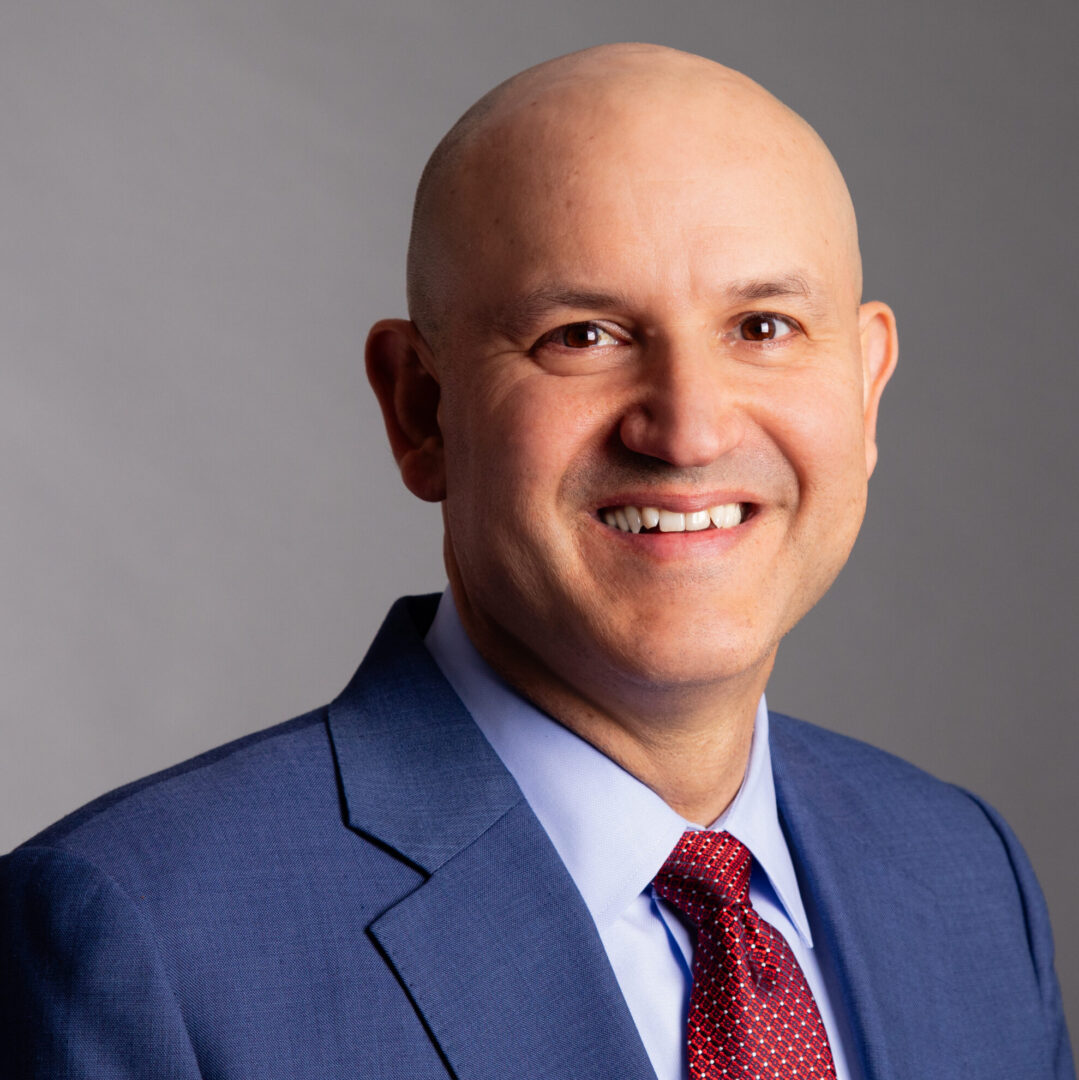
Jeanné Lewis is a nonprofit executive, faith-based organizer and CEO of Faith in Public Life, a national interfaith coalition of faith leaders advancing society through narrative, culture and belonging. Previously, she served at the National Committee for Responsive Philanthropy, expanding funding for social justice organizations and as director of U.S. programs at Search for Common Ground. She’s organized military and faith communities across the country. Jeanné attends St. Augustine Catholic Parish in Washington and is a former political candidate. She holds a BA from Washington University and MA in Conflict Resolution from Antioch University Midwest. 

tracy gary headshot final
Tracy Gary

For 5 decades, the National Committee for Responsive Philanthropy (NCRP) has been a beacon of accountability, courage and principled challenge in the philanthropic sector, urging foundations and donors to put power, equity and community responsiveness at the heart of their giving. In celebrating NCRP’s 50th anniversary, I find myself reflecting not only on the organization’s structural achievements, but also on the generative spirit it has contributed to a broader movement for democratic, inclusive and justice-oriented philanthropy – a spirit that motivated me in my mid-20s and that still propels the field forward today in a tough and regressive period, just as it did around its founding in 1976. I will always be grateful for NCRP’s exemplary boldness, availability, activism and strategic leadership.


A Personal Reflection on NCRP’s Early Impact

NCRP’s first Executive Director Bob Bothwell was a leader who understood that philanthropy could and should do more than simply write checks – it could help transform power structures that kept entire communities disenfranchised.

As a young 29-year-old from New York – but now in the Bay Area for over 53 years – my introduction to NCRP was during the first few years of the National Network of Grantmakers conference. It was a progressive network of foundations, representatives and donors that operated over time with some 400 members from 1980–2003 with a national convening. It also had many field-changing projects I was part of for more than 15 years. Bob stood out for his advocacy and encouragement. I was seeking mentors, and it was clear Bob and NCRP had a lot to teach me.


The Ford Foundation had come out with a study in the late 1970s that said that foundations only gave 1% of all their dollars granted to women and girls, and I sought to work to change that. It seemed unbelievable to me, a donor activist inheritor on the way to give away all my inheritance (about $7 million in today’s dollars) between ages 21 and 35. I was a young feminist in my 20s when I began funding women and social change. I wanted more people to do so, and for there to be more funder education on what was needed.

Bob was welcoming and encouraging, and he showed up with tons of ideas for how to make change happen. He was not just a good observer and listener, but, with NCRP, always providing great research and evidence. He seemed to have a fearless critique of entrenched philanthropic practices. He was, and NCRP still is 50 years later, a steadfast advocate for accountability and fairness to the disenfranchised, including women.


Sparking the Women’s Funding Network in 1985

I helped start the Women’s Foundation of California in San Francisco in 1979, which wanted to offer itself as a model that could be replicated. The goal was to spark over 100 women’s funds by the year 2000. Astraea Foundation, Ms. Foundation and Women’s Way existed in the mid 1970s, but there were no replicated funds.

Bob and NCRP were working on workplace funds as democratized and accessible models of giving in workplaces. These funds showed that philanthropy was not just for wealthy people to give or for them to decide where the money was granted. Activist and community members could be equal decision makers alongside donors. Several of the workplace-giving funds served women and girls. Around the same time, Dana Alston founded the Black United Fund and was encouraging African American women to get involved. Soon Hispanics in Philanthropy was born in 1981 and Asians in Philanthropy in 1990. Along with Kathy Acey and the late Michael Seltzer, I helped seed and propel Funders for Gay and Lesbian Funding (now LGBTQ Funders) in 1982.

In 1982, I was asked to join the board of one of the first national networks of women in philanthropy called the Women and Foundation’s Corporate Philanthropy. We were busy training women trustees to speak out about funding nonprofits for women and girls. Bob wrote me a note saying “Tracy, tell the trustees about the federations and about social change funds too.” So, I did – in every room I stepped into for decades afterward.

It was natural for a network for women’s funding to exist. Astraea, the Ms. Foundation, and NCRP’s workplace member funds decided to meet in 1983. Initial meetings were hosted by NCRP and the Women’s Foundation of California. Bob helped us by doing outreach to Dana Alston and WOMEN’S WAY and the “workplace” federations that were geared toward serving and supporting women and girls. Women and Foundations helped house and raise funds with us, and we hired Carol Mollner who came to the job after her work getting the Women’s Foundation of Minnesota going. Carol was the steady builder of the soon-to-be-named Women’s Funding Network (WFN) and its founding conference in 1985. Carol remained as executive director, building the movement of women’s funds for 14 more years until 1999. By the year 2000 – 15 years after that first convening – we had 119 women’s funds across the United States, surpassing our goal of 100. After, Chris Grumm then Cynthia Schmae Nimmo and their teams built it to its membership of 180 women’s fund. Since then, the vision has continued to spread internationally: Today there are dozens more funds connected through what is now the International Network of Women’s Funds, called Prospera, rooted in the same democratic giving values that Bob, Dana and NCRP championed.

We planned a convening of at least 12 women’s funds and federations in 1985, including both the emerging and established foundations and workplace federations. Though the funds used different approaches, women and girls, equity, justice and diversity were our shared commitments. As so much of philanthropy was and still is headed by white people, we decided that in order to attend the convening, at least 25% of attendees had to be women of color. Bob cheered us on. There was resistance as many of the funders felt imposing diversity criteria was not “organic.” But we persisted. Some of the now-180 funds are very diverse, but others are not. It is a process, and geography and leadership matters.

In 1985, the WFN joined identity-based philanthropic networks that were emerging and diversifying philanthropy while growing leadership. Several were seeded in 1980 and have evolved to be true forces in philanthropy, such as Neighborhood Funders, and Native Americans in Philanthropy in 1989.

NCRP leaders’ voices have been of moral clarity. In the early years, traditional philanthropy operated with little scrutiny. Critique was rare and often unwelcome. NCRP’s directors – Bob, Michael and Aaron – their teams, and their research helped change that. They insisted that philanthropy had to reflect the needs of those with the least wealth, the least power and the least opportunity – and that foundations should be held to standards that go beyond tax compliance and ethical impact. Bob’s initial advocacy helped set the tone for NCRP’s mission: not to oppose philanthropy, but to make philanthropy more responsive, more equitable and more aligned with community aspirations.

Our aim was to grow a network dedicated to women’s funding that reflected diverse voices committed to shared power and social justice.

To my surprise after dedicating 15 years to movement building and then a 20-year hiatus from attending the WFN meetings, I was invited in fall 2025 to Washington by WFN’s Director of Philanthropy Chantal Bonitto to share the founding story from my perspective due to my efforts to grow leadership and more women donors. What brought tears to my eyes and hope to my heart was seeing the conference main hall, in which 75% of the 300 women’s fund leaders were women of color, and where a majority of all attendees reflected the diversity that we had dreamed of and worked toward years ago! This was a moment of immense, generational fulfillment, rooted in movements that NCRP helped keep alive and accountable.

In 2007, Aaron Dorfman joined NCRP as executive director and is now its president and CEO, marking nearly 2 decades of leadership. I recently interviewed Aaron for a book I am writing with others on redesigning nonprofits” and feel fortunate that he came to NCRP with deep experience in community organizing and a vision for research that could motivate action. How impressive is it that it has grown from a $1 million to multi-million-dollar force for change. New partnerships and funders are a necessity now as the pressure to pull in and not fund DEI programs, immigrants’ rights or advocacy can destroy all that has been built. It is not an overstatement to say that new partnerships and funders are more crucial now than ever – to help fund the advocacy avenues that have been built over the past 50 years.

Given what is happening now because of the administration’s policies and practices, NCRP’s 50th should raise an extra $5 million to promote courage, boldness and a recommitment of what matters to so many to make lasting change. NCRP’s leadership is essential especially now, and we cannot just depend on foundations that have stripped their DEI commitments or that are earnestly afraid of losing their 501(c)(3) status.

May NCRP keep building new tools and advocate for better funding, fewer federal cuts, and new and better taxation. Having NCRP survive as a beacon for justice for 50 years is no small feat.

Throughout his tenure, Aaron has reinforced a theme that has become central to NCRP’s identity: Communities most impacted by inequity must be central to defining philanthropic strategy. Far from being abstract notions, this idea has shaped advocacy in various ways: urging foundations to prioritize general operating support, exposing underinvestment in communities of color, and critiquing philanthropic approaches that repeat systemic inequities.

At its core, NCRP is known as the philanthropic sector’s “critical friend” – rigorous, principled and unafraid to name where the sector falls short while offering evidence-based guidance for doing better. Its legacy is not only in research reports or critiques, but in helping shift philanthropy from a mindset of charity to one of justice, shared power and accountability.

NCRP’s voice helped start critical conversations on how philanthropy relates to democracy, equity, race, gender and community power, long before these concerns were widely recognized as central to effective social change. In that sense, NCRP did not follow trends: It helped create space for those trends to become visible, actionable and measurable.


Looking Ahead

Now 50 years on, NCRP still insists that philanthropy be more than transactional – it must be transformational. It calls on foundations and donors not just to give more, but to give differently: Support movements for justice, share power with communities and believe that philanthropy can help bend the arc toward equity. NCRP is not merely part of the philanthropic ecosystem, it helped shape the very questions we now ask about power, equity and impact.

As changemakers, dreamers and doers, we celebrate NCRP not only for what it has achieved, but for the questions it continues to pose: Who benefits from philanthropy? Who sets the agenda? Which voices are centered? Can government, business and funders do more? These are questions that have guided my own work, and I am deeply grateful for the ways NCRP has kept them alive, urgent and meaningful for 5 decades.

If you want the foundation and donor sector to evolve, fund and bring new supporters to NCRP. I commit to it. Join me! Here’s to 50 more years of accountability, boldness and systemic change!


About the Author

Tracy Gary has been a catalyst shaped by the community, its partners, networks, leaders and donors for over fifty years. She was a co-founder of The Women’s Funding Network.

Tracy is the author of Inspired Philanthropy: Creating a Giving and Legacy Plan, and is writing a book, Redesigning Nonprofits, (Wiley Publishers, Nov. 2026). She has worked in fifty states and twenty-five countries promoting social justice giving and women’s leadership. She helped start twenty-six nonprofits and has been on thirty boards. She engages multiple cultural generations for gifts made through giving from the heart with intention and strong advocacy for justice, equity and equality. 

“In 1993, following National Committee for Responsive Philanthropy’s [NCRP’s] stinging critique from the past years, the community foundations in Atlanta, Boston, Los Angeles, Philadelphia and Seattle expended their grants to nonprofits serving the marginalized, and 4 of those 5 had significantly diversified their board and staff composition. And now, The Denver Foundation is a recognized leader on diversity, equity and inclusion.”  

Javier Soto
Javier Alberto Soto

I joined The Denver Foundation in 2019, more than 2 decades after a survey by the National Committee on Responsive Philanthropy found that The Denver Foundation, along with nearly a dozen other community foundations across the country, should have been better connected with the communities it served. The reports encouraged the organizations to increase grants that benefit underserved communities and diversify their boards and staff. The Denver Foundation took intentional action.

It was a priority to continue that work when I joined The Denver Foundation. I hoped to bring my experience leading The Miami Foundation for 10 years, and the lessons I had learned since my childhood from my parents’ generosity. Though they would not be called “philanthropists” in the traditional sense of the word, they were the first philanthropists I knew, giving what they could.


Listening to the Community, Criticism and All

Throughout its history, The Denver Foundation listened to critics and community alike, allowing itself to be challenged and meeting the occasion with understanding, flexibility and direct action.

As a result of this listening, the foundation created the Strengthening Neighborhoods grant program in 1996. The Strengthening Neighborhoods program sought to support community identity in each unique Denver neighborhood, which meant getting to know those communities and supporting their work on a personal level.

Along the way, the program became an incubator for new groups that formed to address their own communities’ problems with the foundation’s resources and support. This grassroots approach to grant funding grew steadily, awarding $400,000 in grants the first year and the total increasing each following year.

Since its inception, the Strengthening Neighborhoods program has granted more than $10.2 million to nearly 1,400 grassroots-led groups. Not only did the Strengthening Neighborhoods program help The Denver Foundation connect more directly with community members, it helped Denver residents connect with each other across neighborhood lines.

President and CEO David Miller came on board during this time and encouraged meeting with community members in which staff listened to their perspectives and their proposed solutions. With the NCRP’s critique having “[shaken] the board out of complacency,” as Miller said, the foundation started engaging in advocacy work that was consistent and reflective of Denver’s population.

Thoughtful changes allowed The Denver Foundation to reach communities on a more personal level and viewed residents as assets and listening to their ideas. These changes prioritized connecting with and supporting Denver’s diverse communities.

Today, we continue that practice of listening. When I joined The Denver Foundation, I embarked on a bike tour of metropolitan Denver, cycling through all of Denver’s 78 neighborhoods while convening with community leaders to discuss important issues to them along the way.

Rather than inviting people to come into the foundation’s space and meet on the foundation’s terms, the bike tour allowed us to flip that approach and meet people where they were. This allowed us to learn about projects that we might not have been aware of otherwise and get involved in a way that supported the work community members were already leading.

Through this, we are building trust and relationships with grassroots organizations and other organizations that have been serving our community for more than a century, like Florence Crittenton Services, a program where “teen families can thrive through a two-generation, trauma-responsive program model that wraps around them to impact health & wellness, education & employability, parenting & child development, and economic assets.”

“A partner like The Denver Foundation helps us reach our impact at a deeper level because they understand the community need, and align with the people who make the difference,” Desta Taye-Channell, president and CEO of Florence Crittenton Services, said.

Organizations can’t remain static when the world around them is changing. The Denver Foundation has strived to embody this principle from the beginning. As an organization, we recognize the need to reflect on our practices, create space for challenging conversations, and support the inclusion of ideas and people. This philosophy opened doors for exciting community-led solutions and collaborations, innovative grants and diverse leadership, making us the organization we are today.


Prioritizing Community Leadership

In the mid-2000s, we were supporting diverse organizations and communities but recognized that we needed to better reflect those communities within our own staff and leadership.

Beginning in 2001, we made conscious efforts to create boards and committees that reflected metro Denver more fully. The foundation invested in staff training and welcomed grantees and community leaders to join grantmaking committees and play an active role in the organization’s leadership.

Jeff S. Fard (brother jeff) is a longtime The Denver Foundation collaborator and a graduate of the Leadership Development Program, brother jeff was a trustee and the board chair from 2003 to 2007.

“I wasn’t the first Black person to be a board chair. I wasn’t even the first Black man to be a board chair. But I was the first Black Muslim to be a board chair of The Denver Foundation,” brother jeff said. “I’ve seen every iteration of identity leading this organization. I see it infused in the organization and inclusivity is a part of the organization. And so it’s a core value. It’s represented in the work. It has grown and it’s become more vibrant because it’s more inclusive of more difference.”

Today, the board and staff continue to reflect the diversity of the metro Denver community.

In 2001, we were also asking what would happen if all organizations had the opportunity to invest in up-and-coming leaders in their communities? This led to the Inclusiveness Project, which sought to financially support community organizations as they trained and recruited more diverse staff – staff who reflected their communities but would likely have been overlooked in the past. This groundbreaking capacity-building project helped community organizations train and hire local staff and recruit diverse board members. In 2011, the program received the Council on Foundations’ Critical Impact Award.

Today, this philosophy continues to guide us. When I joined the foundation, I encouraged the board to include racial equity in our new strategic framework. By 2023, we hired a chief of staff who helped bring a renewed focus to this in all aspects of our work. For The Denver Foundation, equity is a deeply held value that defines this organization, this community and where we believe the philanthropic sector should go nationally.


Looking Ahead

Today, The Denver Foundation balances buy-in from high-profile partners, community leaders and everyday donors alike, ensuring that we are democratizing philanthropy. While we’ve made significant progress since NCRP’s report 25 years ago, there is still much more work to be done.

I often reflect on the common perceptions of a philanthropist – older, wealthy individuals who give away their accumulated wealth at the end of their lives. But from my experience, that is not the full extent of what philanthropy is. Philanthropy isn’t limited to the upper echelons of society, and you don’t need to be someone who can donate millions or have your name on a building for your philanthropy to matter to someone else.

Although my parents would never be listed among the philanthropic aristocracy like Carnegie or Rockefeller, they were the first philanthropists I knew. My parents arrived in the United States as Cuban refugees in the early 1970s with very little material wealth or possessions. But, like so many of their generation who fled the communist island in the early years of the Cuban Revolution, they brought a tireless work ethic and a deep-rooted commitment to helping others. My parents sent remittances to family in Cuba, lent money to relatives in Miami trying to start businesses, and when anyone in our tight-knit circle was sick, my mother would send me over with a plate of food. Meanwhile, my dad supported charitable organizations that sent solicitations in the mail with small donations, $2 or $3 at a time. These groups spanned from Catholic organizations to Native American tribes in the Dakotas.

My parents’ charitable acts are not unique. The truth is that philanthropy has always been part of our communities. It’s the parents who volunteer at their church or mosque every weekend, the grandmother cooking meals for a sick neighbor and the families who give what they can out of love and responsibility, not recognition. These types of giving practices, however, are not usually considered “philanthropy” and are not supported or incentivized by tax codes.

When we define philanthropy so narrowly, we erase entire communities of givers, especially communities of color, immigrants and working-class families. By doing so, we ignore the generosity that has sustained mutual aid networks long before philanthropy was formalized.

We must evolve. We must rethink who we call a philanthropist.

Our giving circles at The Denver Foundation serve as examples of how Colorado can lead the way. Giving circles are about more than pooling money to amplify impact. They emphasize the importance of volunteering and making connections within networks to further a group’s objectives and a broader definition of what it means to give and be a philanthropist. Their formal and informal contributions have created a platform for lasting impact beyond what each individual member could accomplish alone.

Our communities do not get enough recognition for their generosity. While many do not consider themselves philanthropists, they are, in fact, philanthropists. It’s time to reclaim philanthropy as a shared human value, not just the exclusive domain of the wealthy.


About the Author

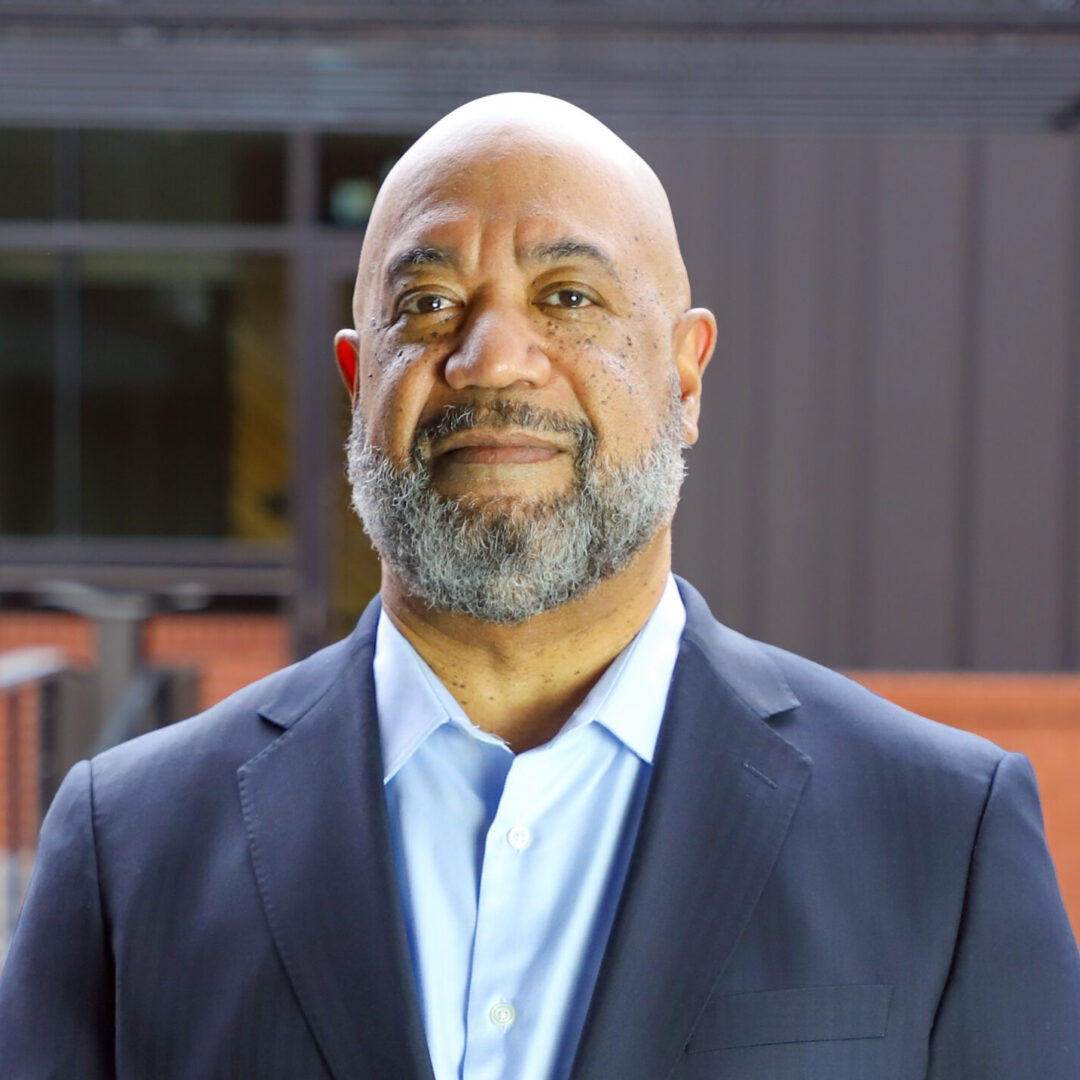
Javier Alberto Soto is president and CEO of The Denver Foundation. Since 2019, he has led the development of a strategic framework, the mobilization of significant resources to respond to the COVID-19 crisis and the foundation’s 100th anniversary. Previously, Javier served as president and CEO of The Miami Foundation. Javier has been on several civic and corporate boards and was awarded Denver Business Journal’s Leader in Diversity Award in 2024. 

Javier has a B.A. in History and Political Science from Florida State University, a J.D. from Georgetown University Law Center and an M.A. in Sociology from the University of Colorado Denver. 

dwayne proctor
Dr. Dwayne Proctor

I have been a follower and champion of the work that the National Committee for Responsive Philanthropy has been doing for the past 50 years, and I’m humbled to be a small part of its impact. This organization was fulfilling its mission as a critical friend and watchdog to philanthropy when I was finding my footing in the world of advocacy, which eventually led to a 20-plus-year career in philanthropy.

That career is rooted in my family’s legacy of activism. My dad’s father Joe Jameson was a Pullman Porter. Those men formed the first African American union, the Brotherhood of Sleeping Car Porters, and were some of the architects of the Civil Rights Movement. My maternal grandfather was a farmer in Rippon, West Virginia and a staunch supporter of the National Association for the Advancement of Colored People (NAACP). That history jump-started my lifelong relationship with the esteemed organization.

My journey to philanthropy wasn’t a straight path, which I believe is its strength. There’s nothing like lived experience to teach perspective and foster empathy for people who may travel different paths but share core values. I was born in Washington, DC, “Chocolate City,” also known as the DMV. My family was poor, but I didn’t know it. There were regular meals, my clothes were clean, and we lived in Black communities where all our neighbors seemed to be in similar circumstances. We moved a lot across those borders and rivers, and I attended 4 different elementary schools.

In high school, I chose my career and aspired to be the world’s greatest disc jockey. I took all available classes and procured an FCC broadcast license before I had a driver’s license. I interned and then attended Virginia Tech University to study communications. My college career was derailed in my junior year when my Pell Grant application was denied.

I stayed in Blacksburg, Virginia and worked in radio, bars and restaurants and was all of a sudden confronted with monthly bills. In those days I was active with my fraternity, participated in anti-apartheid campaigns, got down with a local anti-KKK group, and challenged the university’s structural and systemic racism. My interactions with local police were not casual, and at one point, I was told that I had to leave town.

Right around that time, I met Ray Charles’ road manager “Uncle” Joe Hunter who hired me as stage manager for Charles’ 1986 world tour. Ray Charles and his orchestra drew large audiences across the globe, and the experience was heady. The exposure to the good and bad and the just and unjust around the world was eye opening.

Working for Mr. Charles taught me about self-determination, the value of a strong work ethic, and how collaboration between players, musicians and singers can create a harmonic convergence for positive change. This laid the foundation for my career in philanthropy. I learned the significance and practice of deep listening, which, in this field, is key when engaging with all kinds of people from various walks of life and lived experiences. While on tour, I saw the fruits of the power of collaboration when problem-solving and absorbed the truth that none of us can achieve anything worthwhile on our own. This holds true whether the challenge was setting up band equipment, navigating unexpected travel plans, or fighting for social justice. Mr. Charles also taught me the importance of striving for excellence and being deliberate about how I defined success on my journey. One night, he told me that I needed to go back to college and that I didn’t really belong on the road. That was hard to hear, but I knew that he was right. When Ray Charles gives you advice, you listen.

My next stop was University of Connecticut where I finished my undergraduate career, earned my PhD, became a Fulbright scholar, and was recruited to join the Robert Wood Johnson Foundation (RWJF) and began a new defining phase of my life.


Looking past the typical approaches, my first role in philanthropy

I started at the Robert Wood Johnson Foundation in 2002 and led a range of national projects addressing issues like childhood obesity, alcohol prevention and teen pregnancy. I started reading the newsletters and reports published by NCRP when, like many philanthropies, we had to rethink our commitments and how we could support positive change in the wake of the devastated endowments during the Great Recession.

I’m incredibly proud of the work that my team at RWJF was able to do post-crash, the lives we touched and the systems we transformed. It was my reading that helped shape my thoughts about the role of philanthropies in the communities we sought to enhance and those we serve in my present-day role.

One resource that stands out in my memory is “POWER MOVES: Your Essential Philanthropy Assessment Guide for Equity and Justice,” which was published when I was tasked with leading a team dedicated to achieving health equity in the United States. It challenged philanthropies to acknowledge their power and be intentional and humble about using resources and privilege to advance equity and justice. To me, it seemed like a formula for how philanthropy should move, with lessons on how we should organize and engage with our intended beneficiaries.

I believe leaders in philanthropy should always push harder and go beyond what has always worked by taking risks that shake up “typical” approaches. We should always question why a norm is the default status quo, especially if it doesn’t serve our mission or bring about long-term change. A norm is a suggestion, go 3 steps further. Be bold about breaking barriers that are often self-imposed.

My path, personal and professional, taught me that expanding the definition of who can be innovative and what organizations are worthy partners is key to achieving success.


A full-circle moment, from being born in the DMV to becoming an expert on its history

In 2024, NCRP released “Cracks in the Foundation: Philanthropy’s Role in Reparations for Black People in the DMV.” The report asked grantmakers to reckon honestly with the intersection of philanthropic wealth origins and systemic harm to Black communities in the District and its Maryland and Virginia suburbs, following in the footsteps of fellow grantmaker iF, A Foundation for Radical Responsibility. The findings resonated with me on multiple levels. First, the DMV is my home. I was born there; my father and paternal grandfather grew up there. Our family history dates back to the 1720s when we first purchased property in the area. One of the foundations profiled in the report is the Cafritz Foundation; my mom brought me into the world at Cafritz Hospital.

Even with my deep roots and history in DC, this report had things to teach me about how foundations in the region may have extracted wealth and resources from the communities they served, which contributed to the oppression my family faced. I shared personal stories about the region with the authors and, when I could, bridged connections to local reparations organizers. This felt like a full-circle moment. After learning from and being inspired by NCRP, I was able to share a unique perspective informed by my heritage and aimed at addressing systemic wrongs.

The report sparked conversation and introspection at Missouri Foundation for Health (MFH), a health conversion foundation working to achieve health equity, where I serve as president and CEO. We took it as an invitation to dig deeper, understanding that “Cracks in the Foundation” is a call for all philanthropies to be introspective and accountable. Philanthropy Missouri, a statewide funder-supporting organization, hosted discussions with local St. Louis foundation staff about the report. It continues to be a touchstone for “doing no harm” as we further our work.

Traditional philanthropy is learning to value intellectual contributions and wisdom from the communities they serve, which is critical to finding effective, sustainable solutions that are transferrable across communities. If we are not led by those most impacted by the social determinants of health and create interventions without their input, those interventions often cannot serve their intended purpose. For MFH, that belief led to the creation of The Spark Prize, a bold investment in the work of 5 Missourians who are leading transformative work to improve health and well-being in Missouri.

Our commitment to elevating community wisdom shaped our work on maternal and infant vitality over 10-plus years. We joined with partners in St. Louis and the bootheel, the southeastern corner of the state, that were committed to helping babies across Missouri live to celebrate their first birthday. We showed up with specific metrics expectations to measure the project’s progress. As we built meaningful relationships, we realized that we needed to interrogate how we showed up for them and honor the wisdom they shared with us. Now, our work underscores the value of authentic community engagement to reimagine systems that impact multiple aspects of people’s lives. Moving this way allows us to move beyond one-time interventions to build trust and sustainable solutions. And, yes, these are the very same techniques used by organizers, Pullman Porters, and NAACP leaders and pastors leading congregations. Our society and sector are living through profound change and uncertainty. More and more, we’re hearing about public interest in our commitments to our mission, the resources we oversee and our place in making America a more perfect union. As leaders, we must be audacious in this moment. We need to be responsive and empathetic to our partners’ struggles. We must stand boldly in the face of this scrutiny. And we need to double down in support of NCRP and other progressive philanthropy-infrastructure organizations.


About the Author

Dr. Dwayne Proctor is president and CEO of Missouri Foundation for Health, where he leads efforts to eliminate health inequities and transform systems so all Missourians can thrive. Under his leadership, the foundation partners across sectors to expand Medicaid, address firearm violence, improve mental and physical health access, and advance infant vitality.

Previously, Proctor spent 19 years at the Robert Wood Johnson Foundation, leading national initiatives, and was a Fulbright fellow in Senegal, West Africa. Proctor chairs the NAACP Foundation board of trustees as well as the National Committee on Responsive Philanthropy board of directors. 

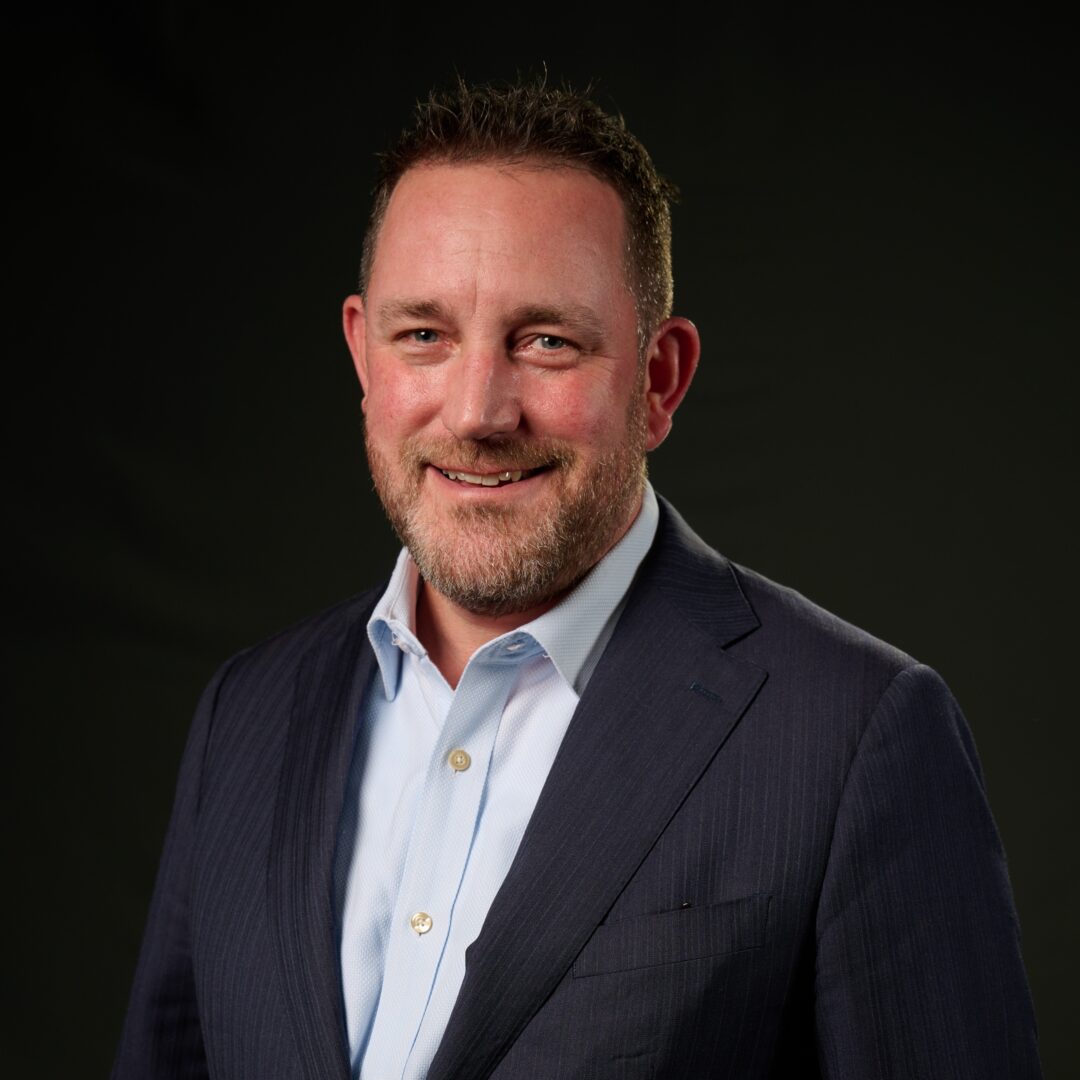
NCRP CEO and president Aaron Dorfman

Dear Reader,

The world needs courageous truth tellers, now more than ever.

As I write this, the current administration has been lying to the American people about events in my home state of Minnesota. But their lies aren’t working. There are too many truth tellers out there, standing up to state-sponsored violence and oppression. Some of the community pushback has been helped along by nonprofits and the donors and foundations that support them.

This special issue of Responsive Philanthropy celebrates 50 years of NCRP being a courageous truth-telling organization. We’ve been holding up a mirror to philanthropy for 5 decades and helping give voice to people and communities who have been oppressed and marginalized in our society. The issue includes the following:

  • Dr. Dwayne Proctor shares his personal story in philanthropy and the way his family’s legacy is intertwined with NCRP’s mission.
  • Javier Alberto Soto reflects on NCRP’s 1993 critique of The Denver Foundation’s lack of commitment to diversity and what the foundation has done to address this, both in its work and internally on its board and with its staff.
  • Tracy Gary reflects on NCRP’s legacy and shares personal stories of how Bob Bothwell, NCRP’s first executive director, inspired her own work in the sector, particularly in women’s funding.
  • Jeanné Lewis writes about NCRP’s legacy as a thought leader pushing the field and challenges funders not to overlook the importance of faith in driving progressive change.
  • Suhasini Yeeda shares the history of our Responsive Philanthropy journal and notes how important storytelling is for creating impact.

NCRP is only as strong as our community. Thank you for the role you have played over the past 50 years helping ensure that philanthropy is responsive and accountable. In the coming years, let’s work together to create a future where philanthropy is a means to truly share wealth and power. When we do that, we can build the more equitable, just and democratic society we all deserve.

In partnership,


Aaron Dorfman

RP50 Cover FINAL 2-23
Winter 2026
NCRP’s 50th Anniversary Issue
Scot Nakagawa
Scot Nakagawa

“People tell stories in order to live.” – Joan Didion

After nearly 4 decades tracking the rise of authoritarianism in American politics, I’ve reached an inescapable conclusion: The battle for democracy is not won or lost not solely at the ballot box, but also in the stories we tell. The authoritarian right understood this decades ago. Those of us committed to democracy are still catching up.

What I’ve observed is both alarming and instructive. The authoritarian transformation of our politics didn’t happen overnight or by accident. It succeeded because its architects mastered the art of strategic storytelling long before they gained electoral power.

Consider how meticulously crafted their narrative strategies have been. Make America Great Again isn’t merely a catchy slogan; it’s a powerful story of national decline. It taps into nostalgia for a mythologized past that conveniently existed before civil rights, feminism, and multiculturalism challenged traditional hierarchies.

But perhaps their most brilliant move was redirecting legitimate economic pain toward cultural scapegoats. As globalization and deindustrialization hollowed out communities across America, authoritarian forces offered a compellingly simple explanation: Your suffering isn’t because of corporate power or policy failures, but because “those people,” groups like immigrants, so-called “coastal elites,” and the “woke mob,” are taking what’s rightfully yours.

Through these moves, the authoritarians framed their movement not around policy, but around identity, grievance, and belonging, turning political participation into a form of cultural solidarity rather than an engagement with governance. The effectiveness of this approach stems partly from narrative discipline. While progressive movements debated nuance and complexity, the right hammered simple, emotionally resonant messages across multiple channels. Through relentless repetition, they naturalized an “us versus them” framework that proved remarkably resistant to contrary evidence.

They also mastered what I call “strategic provocation and victimhood inversion” – deliberately provoking outrage then framing the response as persecution. When called out for attacking vulnerable communities, they cry “cancel culture” and position themselves as martyrs for free speech, transforming accountability into oppression.

What’s crucial to understand is that these weren’t reactive tactics. These moves represented sophisticated strategic foresight. The authoritarian right anticipated how globalization, automation, and financial capitalism would reshape communities and create economic anxiety and cultural displacement. They developed explanatory frameworks and villain narratives ready to activate when these crises emerged.

They built alternative media infrastructures, like right-wing talk radio, before the digital transformation made such efforts profitable. For instance, evangelical authoritarians created the 700 Club, which was the communications organ and chief fundraising vehicle of the Christian Coalition, a national group that provided training, strategic support, and public opinion research to local evangelical authoritarians so that they could punch above their weight class. Similar media outlets like the Trinity Broadcasting Network served both as soft entry points into the evangelical movement and as the means by which to amass resources in order to expand the networks, with occasional specific fundraising appeals to build transmitters to “lift the darkness” over countries like Haiti where they also supported missions.

They also crafted epistemic frameworks like “fake news” and “liberal bias” that would allow their audiences to reject unfavorable information once their narrative foothold was established.

In essence, they didn’t just respond to economic transformations. They prepared the narrative ground to exploit them, investing in storytelling infrastructure with long-term rather than immediate payoffs.

Building Collective Community Courage

So how do we counter these narratives without adopting their manipulative approaches? The answer lies in building better stories and narratives that energize democracy rather than authoritarianism.

We can draw inspiration from movements that have successfully challenged authoritarian power through strategic storytelling. During the Civil Rights Movement, the Highlander Folk School created story circles where sharecroppers and domestic workers shared experiences of both oppression and resistance. These weren’t therapy sessions but strategic spaces that surfaced forgotten tactics and built collective community courage.

Chile’s 1988 campaign against former President Pinochet shows how joy can defeat fear. Rather than focusing solely on the dictator’s brutality, they created forward-looking messaging celebrating democracy’s possibilities. Their rainbow symbol and testimonials from ordinary Chileans portrayed democracy as abundance rather than scarcity.

The human rights organization known as Mothers of the Plaza de Mayo in Argentina demonstrate distributed storytelling’s power. During the Dirty War, each mother became a bearer of her disappeared child’s story, their white headscarves symbols that carried their narrative even when words became dangerous. This approach meant the government couldn’t silence their movement by targeting any single leader.

What unites these examples is that they didn’t merely oppose authoritarianism, they embodied democratic alternatives through the very way they told stories.

Drawing from these lessons, our narrative strategy must balance complexity without confusion. Authoritarian narratives offer simple solutions to complex problems. Our challenge is developing clear frameworks that hold multiple perspectives while still driving toward action.

We must center agency, not just victimhood. Stories documenting suffering without highlighting resistance create a sense of powerlessness. Effective democratic narratives balance acknowledging harm with showcasing the power of collective action, demonstrating that change is possible.

We need tactical narrative diversity. No single story type will reach all communities. We need personal testimonials building emotional connection, analytical stories explaining systemic patterns, cultural expressions transcending rational barriers, and yes, humor that deflates authoritarian pretension.

Investing in Counter-Authoritarian Storytelling

This work requires serious investment. Funders must support narrative infrastructure beyond election cycles, including community media controlled by movements rather than corporations, physical spaces for thousands of story circles, and documentation systems preserving movement histories for future inspiration.

Organizers must treat storytelling as a core strategy. We often share ideas rather than stories and present those ideas as sales pitches for participation in issue campaigns and candidates. These tactics are still valuable, but we must adapt to the challenge before us by centering storytelling. We need to create spaces where people can connect personal experiences to systemic analysis, build storytelling capacity across diverse communities, and craft bridge narratives that connect divided groups through shared values.

Most importantly, we must recognize that counter-authoritarian storytelling isn’t just about better messaging, it’s about building the democratic world we want through the very practice of telling stories together.

When people gather to share experiences of struggle and resistance, they form what narrative expert Liz Manne calls “constellations,” meaning narratives that connect diverse stories to make the whole greater than the sum of its parts. Narratives of this sort are a critical component of the infrastructure of democratic power.

The authoritarians have treated narrative as warfare and invested accordingly. If we hope to counter them effectively, we must take storytelling just as seriously – not as manipulation, but as democracy’s fundamental practice.

The stories we tell in the coming years will determine whether authoritarianism continues to rise or whether we can yet build a democracy worthy of the name. This is a battle we cannot afford to lose.


Scot Nakagawa is a political strategist and organizer with over 4 decades of experience exploring questions of structural racism, white supremacy, and social justice. He is the co-founder and director of the 22nd Century Initiative, a national strategy and action hub building power at the intersection of opposition to authoritarianism and expanding democratic governance in the United States. 

Arthur Larok
Arthur Larok
“We have had our own version of Trump for decades.” – Arthur Larok 

For many in the world, what is happening in the United States is eerily familiar. Countless people who have lived through repressive and authoritarian regimes know all too well how the rule of law can be dismantled. As civil society leaders who grew up in authoritarian states, we witnessed dictators using government apparatuses to attack political opponents and dissidents, disregarding judicial accountability and destroying social programs while propping up wealthy elites and corporations. Though the specific drivers that result in leaders like this coming into power vary from country to country and understanding those drivers is important, there is one tactic they all use to bring people into line – fear.

Fear is powerful. We can already see how, in the United States, many universities, law firms, and others threatened by the administration are falling silent or cutting deals in a shortsighted attempt to stay afloat. These kinds of choices are made in rational self-interest, but history shows us that collectively, they lead straight to authoritarianism.

We’re here to tell you that anticipatory compliance is not the answer. Bullies like to test the limits of their power – and the more you give, the more they will take. Do we need to prepare? Yes. Must we adapt to protect the values we all hold dear? Of course. But what we cannot do is give in to fear. We must not censor ourselves.

So how do we tackle this abuse of power and lack of humanity? It’s a question that comes up a lot at ActionAid – a global federation working for a world free from poverty and injustice. We work with communities in some of the most challenging contexts imaginable. We know that together, people have power. In an era of repressive regimes, movement organizing is essential. Where traditional advocacy has failed or fallen out of touch with the struggles of people, movements give us a source of hope.

Niranjali Amerasinghe

Stories of Resistance

Uganda – Power Grabs Cast Long Shadows

In 1986, Yoweri Kaguta Museveni captured political power and became president of Uganda. At first, his ascension to power was considered by some – including Europe and the United States – a welcome departure from the “typical” authoritarian and military dictatorship. He was described as a new kind of African leader. Now, 38 years later, President Museveni is not only one of the longest-serving presidents in the world, but his reign has turned out to be as authoritarian, if not more than, those of his predecessors.

His long reign was made possible by two amendments to Uganda’s constitution: the removal of presidential term limits in 2005 and the removal of an age cap for presidential candidates in 2017. Together, these changes mean that Museveni can run for president as many times as he wants, and he can rule till he dies.

Herein lies the lesson for the United States: To protect your institutions from President Trump’s authoritarian instincts, you must rise and defend your constitution, Congress, and judicial branch before they become too weak to defend you. Once a dictator has a firm grasp on power, it becomes much more difficult and costlier to remove them.

Bangladesh – Movements Can Bring Change

“Every person who is fighting against oppression … must believe that the power of oppression can be overcome.” Manzur Al Matin 

For years, the idea of moving beyond the dictatorship of Prime Minister Sheikh Hasina to a meaningful multi-party democracy felt out of reach. But in the summer of 2024, a wave of massive street demonstrations – dubbed Bangladesh 2.0 – swept across the country, sparked by deep public frustration with corruption, economic instability, and escalating restrictions on democratic freedoms. The protests, led primarily by young people, students, and grassroots organizers, were unique in their scale as well as their decentralized leadership and coordination.

Despite brutal and lethal crackdowns by the government, young people stood strong. In a matter of weeks, Prime Minister Hasina, widely criticized for her increasingly authoritarian rule over the course of 15 years, fled the country. Rather than trying to be safe by remaining silent, our youth demonstrated the courage – and took the risks – that were needed in order to win a new chance at freedom.

During the height of the protests, members of ActionAid’s youth network acted as mediators on the ground, helped keep demonstrations aligned with their core demands, fostered inclusive participation, and promoted unity across diverse activist groups. Today, activists are shaping what comes next and choosing a former Nobel laureate to lead an interim government. At ActionAid, we keep working to anticipate risks, safeguard activists under pressure, and ensure that the momentum and impact of movements like Bangladesh 2.0 can be sustained in the long term.

Haiti – Continuing to Speak Out for a Future Free from Violence

Across the Americas and the Caribbean, a growing wave of authoritarianism has deeply challenged democratic values, civic freedoms, and the rights of marginalized communities. In Haiti, the collapse of the state has led to gangs effectively ruling the country while silencing journalists and civil society.

ActionAid works with communities, women, and youth centers on reclaiming democratic space. At the heart of this work lies a deep belief in the power of people speaking up – especially when equipped with resources, political education, and international solidarity – and even if that can sometimes come with deep personal risk.

“The women and girls we work with do not hide.” Angeline Annesteus, ActionAid Country Director, Haiti 

Recently, 200 displaced women and girls held a sit-in to demand the protection of their rights after we held an awareness-raising day with them and partners. These women are mobilizing their communities and offering hope for a future free from violence. They are the backbone of Haiti and need our collective support to do their work.

So many people across the globe are living under authoritarian regimes. The courage demonstrated by youth activists, feminist networks, and movement organizers cannot be overstated. Movements are showing us the way in places like Myanmar – with its unyielding struggle for democracy, Zimbabwe and Kenya – through unapologetic demands for economic justice, and Georgia – with a fight for rights. The United States is by no means exceptional in what it is facing today, but as a major global power, the fallout is felt by us all.

U.S. Funders Must Not Back Down

“Your endowments mean nothing if our society collapses.” Vu Le 

Funders must recognize that this moment is an existential crisis for democracy and freedom in the United States. But we are neither exceptional nor alone. The lessons we have learned from others who have faced authoritarianism tell us clearly that this is not the time to “wait and see,” develop a new strategy, hold back funds in the hopes of being able to support future efforts, or avoid funding specific kinds of work because the administration is threatening to shut down that work. Civil society organizations will run out of money from the combined effects of funder caution, the need to double down on organizing and campaigning work, the unforeseen expenses associated with shoring up digital and physical security, and the potentially crippling costs of defending against legal challenges. Soon enough, there will be nothing left to fund.

Such times call for partnership, for trust, and for money. Now is the moment to dig into reserves and endowments. It’s great that foundations are increasing flexibility for existing grantees, but that is not enough. When an organization comes to you with a plan for supporting a vulnerable community, fighting the latest executive power grab, or engaging more people in the movement, fund it! Even if it doesn’t fit squarely in the 5-year strategy, fund it anyway! That strategy will likely be meaningless in 5 years if you don’t. If said social justice organization is under direct threat from the administration, fund it! That’s a sure sign the work it is doing is effective and needed.

Leaving those who are pushing back without sufficient funding to do so effectively is counterproductive, irresponsible, and dangerous. There is inherent risk for everyone involved in resistance – both for those on the frontlines and those funding them – but the self-censorship of progressive actors, inspired by fear, is precisely the instrument that authoritarians rely on. The administration is waiting for just the right opportunity to crush our movements. But if we resist, if we stand together, it is hard for even the most powerful authoritarian to reach everyone.

Courage is Contagious, Action is Necessary 

Ultimately, the task of defending democracy requires a completely different risk appetite than many institutions and individuals are accustomed to. As we’ve seen from the examples of other countries that have struggled with authoritarianism, this moment in U.S. history must be met with a new level of courage and solidarity. Our international colleagues have emphasized how a willingness to take risks is absolutely necessary to break the hold of a fear-based regime. They have also taught us that breaking through fear is much easier before a dictatorship really settles in and firms up its grasp on power.

In other words, now is the time to stand together and stand strong. Many movement organizations, leaders, and individuals are beginning to do so. They urgently need the support of the progressive funding community.

Courage is contagious. We stand with those who dare to resist – and those who dare to dream of a more just, inclusive, and democratic world. Will you?


Arthur Larok is the Secretary General of ActionAid International, a global federation working to achieve social justice, gender equality, and poverty eradication. Arthur was born and lived in Uganda all his life. He is currently in Johannesburg, the Head Office of ActionAid. He holds a bachelor’s degree in political science and Sociology from Makerere University and a master’s in governance and development from the University of Sussex.  

Niranjali Amerasinghe is the Executive Director of ActionAid USA. She is an expert in climate justice, economic justice, and human rights. Niranjali previously worked at the World Resources Institute and the Center for International Environmental Law. She holds an LL.M. in International and Comparative Law from The George Washington University Law School and an LL.B from the University of Bristol. She is a classically trained musician and avid gardener, born and raised in Sri Lanka.  

Ryan Schlegel
Ryan Schlegel
“In no country in the world has the principle of association been more successfully used, or more unsparingly applied to a multitude of different objects, than in America.” – Alexis de Tocqueville, 1835  

The quote above is from a 19th century French bureaucrat who turned a treatise on the early USA’s supposedly exemplary prison system into an explanation of the unlikely, especially from the standpoint of the chaos of 19th century France, success of America’s relatively representative democracy. His theories developed into the vacillating but prescient “Democracy in America.” Civil society in the United States has never been hegemonically liberal or universalist. It has, since the early republic, contained in it currents of well-funded and well-organized illiberal, even violent, collective action. In 2025, we at NCRP see this clearly taking shape in our research into increasingly authoritarian civil society, not made by accident but rather by long-term, strategic funding by deep-pocketed foundations all over the country.

Regressive Philanthropy

Using tax filing data and policy advocacy keywords, NCRP has identified over 1,800 non-profit organizations in 50 states and Washington, D.C. that reported more than 30,000 staff and 655,000 volunteers. These organizations are working diligently to undermine the civil and human rights of immigrants, LGBTQ+ people, and women and pregnant people – hard won in the century since the fall of Jim Crow. To many of their wealthiest patrons, these organizations are part of a multi-pronged strategy to transform American democracy into something more autocratic and illiberal – although not at all un-American.

As part of our effort to better understand the donor ecosystems behind these non-profits, NCRP developed a set of linked data processing and analysis scripts in Python using IRS Form 990 data structured and published by Giving Tuesday. More than 1,300 regressive organizations – voluntary associations whose activities are permitted by current 501(c)3 limits but whose goal is to roll back human and civil rights protections won in the US’s post-1965 multi-racial democracy – have filed 990 forms since 2021.

NCRP research found a network of 9,996 foundations sent $3.6 billion to support 1,836 regressive organizations since 2010. 90 percent of all foundation funding for these regressive organizations came from the 15 percent of foundations (around 1,500) that gave more than $500,000 since 2010, and more than one-third came from 10 large donor-advised fund (DAF) sponsors.

While many organizations led for and by marginalized people are collecting donor-restricted project grants, a majority (52 percent) of regressive organizations received at least 90 percent of their foundation support as general operating support.

Half of the regressive organizations NCRP has tracked so far had at least 1 funder relationship that lasted more than 6 years, and more than 1 in 4 had at least 1 funder relationship that lasted 10 years or more. Those organizations with at least 1 decade-long funder relationship received more than 75 percent of all regressive foundation funding. The nearly $500 million per year foundations gave to these regressive organizations is enough to cover a whole year of their travel, legal, advertising, office, and occupancy costs, or half of the year’s entire staffing costs.

Between 2010 and 2022, these 1,836 regressive organizations listed more than 34,000 individual organizational officers, which includes officers and highly paid employees (OHPE). The top-compensated 1 percent (about 340 OHPE) alone took home nearly half (48 percent) of all reported officer compensation – each receiving more than $1 million individually over the period.

To examine the overlap between political power and nonprofit leadership, NCRP researchers matched standardized OHPE names against a national dataset of state legislator names and district information. We used both exact and fuzzy name matching algorithms filtered by state for geographic relevance. Out of more than 34,000 non-profit officers and over 7,000 state legislators algorithmically assessed, manual validation confirmed 13 current state legislators in 11 states who have served or are serving as officers at organizations aligned with anti-human rights agendas.

Democracy in America 

Distraught by the turmoil around him in post-Revolution France, de Tocqueville observed that “the unrestrained liberty of political association” in the infant United States had “not hitherto produced those fatal consequences which might perhaps be expected from it elsewhere.” He attributed this quiescence in American civil society to the political culture’s lack of minoritarian factions “diametrically opposed to the majority” and to what he called “Universal Suffrage.”

Of course, we know that de Tocqueville, who was himself European nobility, wrote at a time when most people living in the United States – defined either by its borders then or now – could not vote or exercise their other constitutional rights without fear of violent state or private repression. In “Democracy in America,” de Tocqueville expresses a shockingly cold (even for its time) view of the contemporaneous forced removal and effective genocide of Indigenous people in the United States and near its borders. And not all associating followed de Tocqueville’s model, where the liberty of association allowed the “moral authority of the minority” to protect against the “tyranny of the majority.” In the 1830s, one of the country’s most prominent voluntary associations was the African Colonization Society, founded by white clergy, business leaders, and even slave owners to solve the “problem” of race-mixing in communities with growing population of free Black people. As Nicholas Guyatt, a lecturer in American history at Cambridge University, has put it in his account of the Society’s founding, “[In December 1816] dozens of the nation’s most powerful men met in the Davis Hotel in Washington to plot the removal of African Americans from the United States.”

Moral reform organizations flourished in 19th century United States, in what Stuart Blumin, emeritus professor of American history at Cornell University, calls “an era of voluntary institutional innovation without parallel in American history.” By the end of the 1800s, temperance leagues with anti-Black and anti-Catholic politics had proliferated, and avowedly nativist associations like the American Protective Association and the Immigration Restriction League were objecting loudly and sometimes violently to a changing America.

By the 1920s, one of the country’s largest voluntary associations was a reincarnated, newly nationalized Ku Klux Klan, with deep ties to the anti-immigrant moral reformers in the Anti-Saloon League and thousands of Christian churches. Throughout the association’s history, it mobilized volunteers, paid staff, and built community in nearly every state around objecting to the voting rights of its neighbors, enforcing the patriarchy and prohibition, and preserving the country’s white demographic majority with a campaign that included eugenics, intimidation, violence, and banal policymaking. 1924’s Immigration Act was the culmination of decades of anti-immigrant policy change stretching back to the Chinese Exclusion Act. Liberty of association in the USA has, throughout the country’s history, led to sometimes counterintuitively illiberal coalitions capable of building and wielding power to change policy.

A Century of Associations
The speaker pro tempore of the Florida House of Representatives was a trustee at a local anti-abortion center before he was elected in 2018, and since then has sponsored 2 bills, both of which became law, limiting civilian oversight of police. The 5th most conservative Texas House of Representatives member, according to the “Texas Tribune,” is a 37-year-old who was on the board of a local anti-abortion center for 5 years before he was elected. During his sophomore legislative session in 2023, he personally advocated for and won $80 million in funding for anti-abortion centers in the state budget. The director of development for anti-LGBTQ advocacy group Family Research Council won a Wyoming Senate seat in 2024 and co-sponsored all 5 of the anti-trans bills that became law in that state this year as well as bills that have not yet become law, such as bills prohibiting electronic voting machines, sanctuary cities, and DEI trainings and promoting conspiracy theories about non-citizen voting and chemical abortion medicines polluting water supplies. Altogether these 12 legislators are responsible for sponsoring, co-sponsoring, or authoring at least 50 bills restricting the civil and human rights of immigrants, pregnant people, and queer people – at least a dozen of which have become law.

The erosion of our shared democratic, republican values in the last decade and more – impossible to ignore now in the midst of a hostile takeover of the federal government by race- and gender-obsessed fanatics – is the result of the labor of many donors and organizers across the country. Hundreds of grasstops and grassroots organizations can rely on the trust – and dollars – of thousands of institutional donors who operate under the shelter of the tax exemption, subsidized by us all. There is much we still don’t know about this universe of nativist, patriarchal, and reactionary donors, but tax filings make clear they are deeply invested in the longstanding American tradition of transforming our communities through a robust civil society, though not always for the betterment of all.


Ryan Schlegel is Director of Research at NCRP where he leads the organization’s analysis of Form 990 data. He has written on the ideas driving a new generation of techno-philanthropists, the philanthropic landscape for progressive social change in the U.S. South, and the challenges facing civil society in an age of rising extremism. Ryan studied government and politics at the University of Maryland, College Park. He is an Ohioan living in Virginia. 

*Data visual image credit – Katherine Ponce, NCRP

Ludovic Blain
Ludovic Blain

There’s no question about it: nonpartisan organizations defending human rights, providing direct services, and uniting communities – along with funders who keep their staff paid – represent some of the strongest safeguards protecting vulnerable Americans in our increasingly authoritarian landscape. In addition to these organizations, we’re depending on a crucial set of politicians and policies to fight back. We all know that politicians and policymakers who are doing things because we are holding them accountable are not as effective as those who are actually aligned with us and doing those things based on their own values.

Too often, nonpartisan funders comfort themselves by saying “elections can’t save us.” By saying this we discredit the very real work that is being done. That the last 100+ days have not been improved by California Attorney General Rob Bonta and New York Attorney General Letitia James slowing Trump’s machinations down by suing him left and right, California Secretary of State Shirley Weber refuting Trump’s lies about voting systems, and Los Angeles Karen Bass pushing back on Trump. It’s not hard to imagine that incoming Oakland Mayor Barbara Lee will also be an important bulwark against looming fascism.

And if those examples don’t sway you, all of us who were disappointed at California Governor Newsom uncritically platforming fascists like Charlie Kirk or watching Michigan Governor Gretchen Whitmer and New York City Mayor Eric Adams acquiescing to Trump have certainly experienced the reality that elections do indeed make a difference.

The truth is: Nothing siloed can save us.

For the last 20 years, California Donor Table (CDT) has mobilized more than $60 million from individuals and foundations across all tax statuses – 501(c)(3), 501(c)(4), and PACs – and created a positive power-building feedback loop that’s turned Republican districts blue. Hundreds of successful initiatives powered by our grantee network of organizations, candidates, and elected officials culminated in one of the only federal bright spots of the 2024 election: California delivering a third of the country’s flipped House of Representative seats. Through co-founding Battleground California PAC with many of the (c)(4) affiliates of the community organizing groups we helped seed more than a decade ago, we ensured Democrats picked up 3 more seats in the House of Representatives and defended 1 vulnerable Democratic seat. With $5 million in mostly unrestricted funds, community-based groups in Battleground California PAC directly reached over 100,000 low-propensity voters. In 2026, California may have 10 to 11 swing districts – more than any state in the country, concentrated in the same 4 regions we’ve been investing in for decades. Here’s how collaborative multi-entity funding made this possible and how continued funding will guarantee more and more success.

A Donor (Social) Justice League Assembles 

The 2010 Census revealed what we already knew: California crossed the threshold to becoming the country’s third new American majority state. But in San Diego, Central Valley, the Inland Empire and Orange County, where Black, Latino and Asian populations were exploding, voter turnout and political representation were completely mismatched.

With a shared interest in rebalancing governing power in California at regional, state, and federal levels to advance a people-centered democracy reflecting its population, 4 funders came together to see what could be achieved when they applied every funding vehicle available to a shared mission: A nonpartisan 501(c)(3) foundation, a donor adviser, a PAC connected to a donor, and the predecessor of CDT. We worked to align funding across tax statuses to establish an infrastructure we’re still utilizing today.

With all our chips on the table, we zeroed in on these 4 regions where demographic change was outpacing local infrastructure. Latino, Asian American and Pacific Islanders, and Black Californians who were getting priced out of Los Angeles were moving into new neighborhoods with no established networks to address shared social, economic, or political needs. As seasoned community organizers, we know voter turnout and political power depends on strong local organizing. With strong community infrastructure, a more inclusive democracy would follow.

We knew no single anchor organization could drive transformation alone. Like us on the funding side, progress would depend on strong, strategic practitioner coalitions. In San Diego, for example, rather than sink all our investments to the biggest game in town – the labor federation – we invested heavily first in a handful of community groups and then in Engage San Diego, their collaboration. We supported Andrea Guerrero in launching what became a multi-tax status group of organizations centered around Alliance San Diego.

We also know that while (c)(3) funding was essential for foundational civic engagement and long-term power-building, it wasn’t going to build longstanding power efficiently on its own. Our unique collaboration made us see how organizations couldn’t simply “(c)(3) accountability their way out” of xenophobic policies or unfair elections. To create real change, these organizations also needed political dollars to help shift who held office in the first place. This strategic realization hit hard: Sometimes it’s easier to change who the officials are than to change their minds.

Then the Fun Really Began. 

In order to prepare for the 2012 San Diego mayoral election, local civic engagement organizers learned essential data tools from political organizers. Political operatives taught community organizers how to use voter files to track how gentrification affected their member base. They discovered that their field teams were knocking on the wrong doors: They needed to follow their members to the new districts they had relocated to. The vulnerability of this shared “aha” moment built relationships between the group leaders and enabled unprecedented work.

Before long, the same multi-tax status investment strategy spawned people of color–centered power centers in Orange County (via OC Action), Inland Empire (IE United,) and the Central Valley (Communities for a New CA.) Bit by bit, progressive Democrats overtook these formerly Republican strongholds in just a 15-year span. The same model helped progressives beat police, real estate, fossil fuel and tech money–backed corporate Democrats in Los AngelesSan FranciscoOakland and Contra Costa County.

What We Built Then is Still Standing – and Helping us Weather this Terrible Storm.

At CDT, we’re not donor advisers – we’re donor organizers. We’ve discovered our role is to help donors figure out how they can most effectively support communities of color in our state to build their power and voice in elections and governing.

This is a significantly different approach from that of the financial industry, which myopically seeks to build wealth for donors above all else and compartmentalizes social change work in communities as a “nice to have.” Investment advisers, estate planners, tax accountants, and lawyers are not only far removed from system change strategy, but also tend to be less informed and more risk averse than this moment requires. None of them help donors see that they are taking completely unrestricted funds from their bank and investment accounts – money that they could spend on literally anything! – and are placing heavy limits on what their donations can be used for just to take advantage of a tax deduction. Such an approach is not really allowing donors to reflect their values and political leanings in how they grant. Or at least, their giving is not delivering the results it truly could.

Individual philanthropists like CDT board members Quinn DelaneySteve Phillips, Karen Grove, Michael Stubbs, and Bill Resnick understand the assignment. Their social change portfolios are expansive – funding tax-deductible nonpartisan 501(c)(3) activities like leadership development, community organizing, voter engagement, supporting reform-oriented elected officials, and non-tax-deductible 501(c)(4) and PAC projects like legislative advocacy as well as candidate, initiative, and independent expenditure campaigns.

With this strategy, CDT has grown California’s progressive infrastructure exponentially. We helped create the California Working Families Party, the state Legislative Progressive Caucus, and the progressive state lobbyist table, Building the California Dream Alliance. Each entity has played essential roles in advocating for and passing popular policies including anti-discriminationtenant protectionreproductive freedomimmigrant rightsworker rights, and criminal justice reform.

In these traumatic times, when the bedrocks of our government are teetering and under threat, it may seem like a reach – but we have a critical role to play in rebuilding a society where the government works for the people – not the powerful – and where we protect everyone’s basic rights and their opportunity to thrive. We just need to put our money to work more strategically and in ways that truly reflect our values and convictions. This means forgoing tax deductions and expanding our giving to political organizations and advocacy work.

Progressives and progressive donors are eminently justified in feeling that the country is in the throes of authoritarianism and that many communities are in turmoil. However, we are not currently justified in thinking we are doing everything we can to protect vulnerable communities and advance the cause of equity and justice. We can do so much more, and it starts with rethinking how we use our money to get better results.


Ludovic Blain is the CEO of the California Donor Table, where he organizes donors to shift power to progressive communities of color. In its 20th year, it has distributed $60 million across all tax statuses to strengthen political power and community wellbeing for the majority of the state’s population: Black, Latinx, Asian American Pacific Islanders, Indigenous, and people of color.

*Data visual image credit – Katherine Ponce, NCRP