I have been a follower and champion of the work that the National Committee for Responsive Philanthropy has been doing for the past 50 years, and I’m humbled to be a small part of its impact. This organization was fulfilling its mission as a critical friend and watchdog to philanthropy when I was finding my footing in the world of advocacy, which eventually led to a 20-plus-year career in philanthropy.
That career is rooted in my family’s legacy of activism. My dad’s father Joe Jameson was a Pullman Porter. Those men formed the first African American union, the Brotherhood of Sleeping Car Porters, and were some of the architects of the Civil Rights Movement. My maternal grandfather was a farmer in Rippon, West Virginia and a staunch supporter of the National Association for the Advancement of Colored People (NAACP). That history jump-started my lifelong relationship with the esteemed organization.
My journey to philanthropy wasn’t a straight path, which I believe is its strength. There’s nothing like lived experience to teach perspective and foster empathy for people who may travel different paths but share core values. I was born in Washington, DC, “Chocolate City,” also known as the DMV. My family was poor, but I didn’t know it. There were regular meals, my clothes were clean, and we lived in Black communities where all our neighbors seemed to be in similar circumstances. We moved a lot across those borders and rivers, and I attended 4 different elementary schools.
In high school, I chose my career and aspired to be the world’s greatest disc jockey. I took all available classes and procured an FCC broadcast license before I had a driver’s license. I interned and then attended Virginia Tech University to study communications. My college career was derailed in my junior year when my Pell Grant application was denied.
I stayed in Blacksburg, Virginia and worked in radio, bars and restaurants and was all of a sudden confronted with monthly bills. In those days I was active with my fraternity, participated in anti-apartheid campaigns, got down with a local anti-KKK group, and challenged the university’s structural and systemic racism. My interactions with local police were not casual, and at one point, I was told that I had to leave town.
Right around that time, I met Ray Charles’ road manager “Uncle” Joe Hunter who hired me as stage manager for Charles’ 1986 world tour. Ray Charles and his orchestra drew large audiences across the globe, and the experience was heady. The exposure to the good and bad and the just and unjust around the world was eye opening.
Working for Mr. Charles taught me about self-determination, the value of a strong work ethic, and how collaboration between players, musicians and singers can create a harmonic convergence for positive change. This laid the foundation for my career in philanthropy. I learned the significance and practice of deep listening, which, in this field, is key when engaging with all kinds of people from various walks of life and lived experiences. While on tour, I saw the fruits of the power of collaboration when problem-solving and absorbed the truth that none of us can achieve anything worthwhile on our own. This holds true whether the challenge was setting up band equipment, navigating unexpected travel plans, or fighting for social justice. Mr. Charles also taught me the importance of striving for excellence and being deliberate about how I defined success on my journey. One night, he told me that I needed to go back to college and that I didn’t really belong on the road. That was hard to hear, but I knew that he was right. When Ray Charles gives you advice, you listen.
My next stop was University of Connecticut where I finished my undergraduate career, earned my PhD, became a Fulbright scholar, and was recruited to join the Robert Wood Johnson Foundation (RWJF) and began a new defining phase of my life.
Looking past the typical approaches, my first role in philanthropy
I started at the Robert Wood Johnson Foundation in 2002 and led a range of national projects addressing issues like childhood obesity, alcohol prevention and teen pregnancy. I started reading the newsletters and reports published by NCRP when, like many philanthropies, we had to rethink our commitments and how we could support positive change in the wake of the devastated endowments during the Great Recession.
I’m incredibly proud of the work that my team at RWJF was able to do post-crash, the lives we touched and the systems we transformed. It was my reading that helped shape my thoughts about the role of philanthropies in the communities we sought to enhance and those we serve in my present-day role.
One resource that stands out in my memory is “POWER MOVES: Your Essential Philanthropy Assessment Guide for Equity and Justice,” which was published when I was tasked with leading a team dedicated to achieving health equity in the United States. It challenged philanthropies to acknowledge their power and be intentional and humble about using resources and privilege to advance equity and justice. To me, it seemed like a formula for how philanthropy should move, with lessons on how we should organize and engage with our intended beneficiaries.
I believe leaders in philanthropy should always push harder and go beyond what has always worked by taking risks that shake up “typical” approaches. We should always question why a norm is the default status quo, especially if it doesn’t serve our mission or bring about long-term change. A norm is a suggestion, go 3 steps further. Be bold about breaking barriers that are often self-imposed.
My path, personal and professional, taught me that expanding the definition of who can be innovative and what organizations are worthy partners is key to achieving success.
A full-circle moment, from being born in the DMV to becoming an expert on its history
In 2024, NCRP released “Cracks in the Foundation: Philanthropy’s Role in Reparations for Black People in the DMV.” The report asked grantmakers to reckon honestly with the intersection of philanthropic wealth origins and systemic harm to Black communities in the District and its Maryland and Virginia suburbs, following in the footsteps of fellow grantmaker iF, A Foundation for Radical Responsibility. The findings resonated with me on multiple levels. First, the DMV is my home. I was born there; my father and paternal grandfather grew up there. Our family history dates back to the 1720s when we first purchased property in the area. One of the foundations profiled in the report is the Cafritz Foundation; my mom brought me into the world at Cafritz Hospital.
Even with my deep roots and history in DC, this report had things to teach me about how foundations in the region may have extracted wealth and resources from the communities they served, which contributed to the oppression my family faced. I shared personal stories about the region with the authors and, when I could, bridged connections to local reparations organizers. This felt like a full-circle moment. After learning from and being inspired by NCRP, I was able to share a unique perspective informed by my heritage and aimed at addressing systemic wrongs.
The report sparked conversation and introspection at Missouri Foundation for Health (MFH), a health conversion foundation working to achieve health equity, where I serve as president and CEO. We took it as an invitation to dig deeper, understanding that “Cracks in the Foundation” is a call for all philanthropies to be introspective and accountable. Philanthropy Missouri, a statewide funder-supporting organization, hosted discussions with local St. Louis foundation staff about the report. It continues to be a touchstone for “doing no harm” as we further our work.
Traditional philanthropy is learning to value intellectual contributions and wisdom from the communities they serve, which is critical to finding effective, sustainable solutions that are transferrable across communities. If we are not led by those most impacted by the social determinants of health and create interventions without their input, those interventions often cannot serve their intended purpose. For MFH, that belief led to the creation of The Spark Prize, a bold investment in the work of 5 Missourians who are leading transformative work to improve health and well-being in Missouri.
Our commitment to elevating community wisdom shaped our work on maternal and infant vitality over 10-plus years. We joined with partners in St. Louis and the bootheel, the southeastern corner of the state, that were committed to helping babies across Missouri live to celebrate their first birthday. We showed up with specific metrics expectations to measure the project’s progress. As we built meaningful relationships, we realized that we needed to interrogate how we showed up for them and honor the wisdom they shared with us. Now, our work underscores the value of authentic community engagement to reimagine systems that impact multiple aspects of people’s lives. Moving this way allows us to move beyond one-time interventions to build trust and sustainable solutions. And, yes, these are the very same techniques used by organizers, Pullman Porters, and NAACP leaders and pastors leading congregations. Our society and sector are living through profound change and uncertainty. More and more, we’re hearing about public interest in our commitments to our mission, the resources we oversee and our place in making America a more perfect union. As leaders, we must be audacious in this moment. We need to be responsive and empathetic to our partners’ struggles. We must stand boldly in the face of this scrutiny. And we need to double down in support of NCRP and other progressive philanthropy-infrastructure organizations.
About the Author
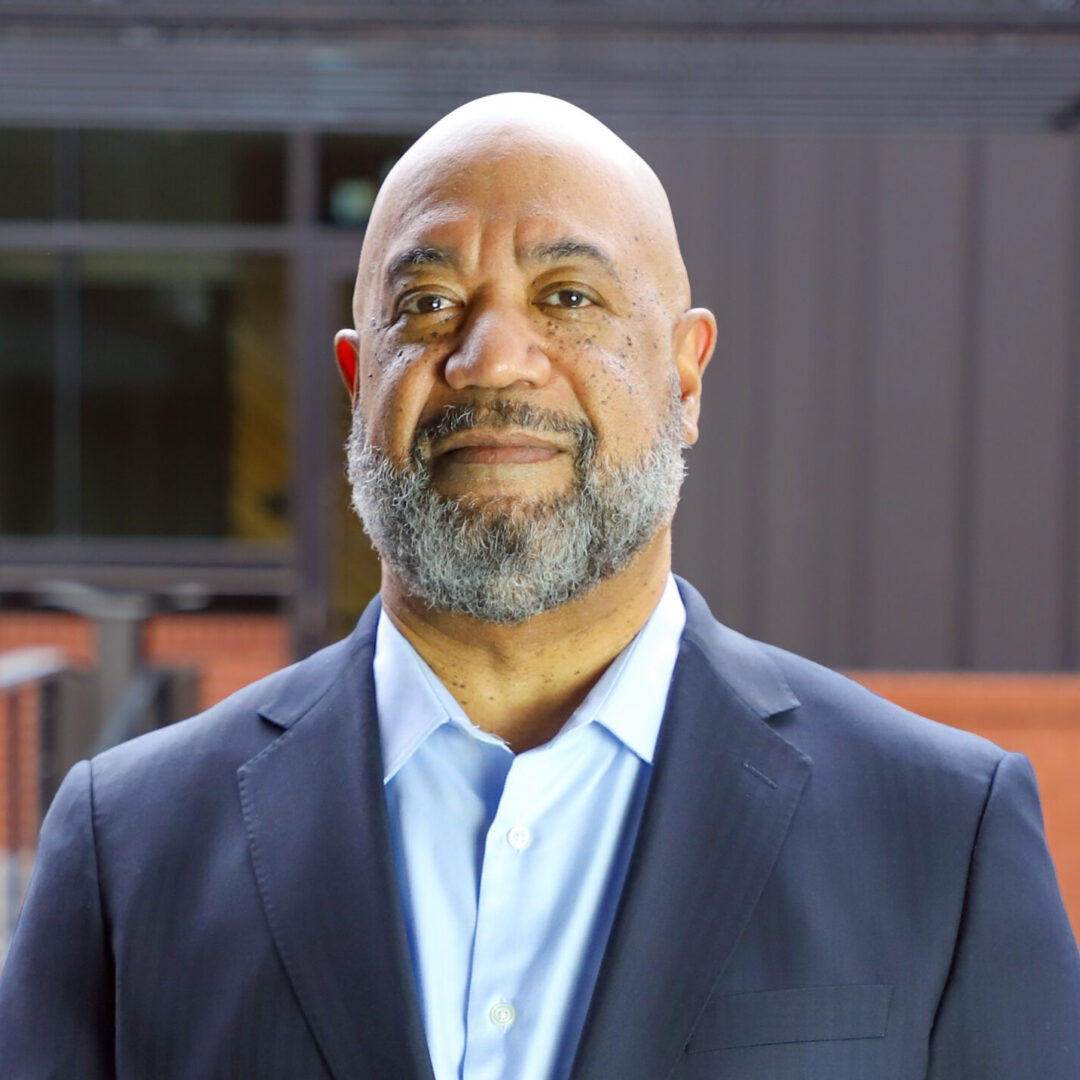
Dr. Dwayne Proctor is president and CEO of Missouri Foundation for Health, where he leads efforts to eliminate health inequities and transform systems so all Missourians can thrive. Under his leadership, the foundation partners across sectors to expand Medicaid, address firearm violence, improve mental and physical health access, and advance infant vitality.
Previously, Proctor spent 19 years at the Robert Wood Johnson Foundation, leading national initiatives, and was a Fulbright fellow in Senegal, West Africa. Proctor chairs the NAACP Foundation board of trustees as well as the National Committee on Responsive Philanthropy board of directors.