“In 1993, following National Committee for Responsive Philanthropy’s [NCRP’s] stinging critique from the past years, the community foundations in Atlanta, Boston, Los Angeles, Philadelphia and Seattle expended their grants to nonprofits serving the marginalized, and 4 of those 5 had significantly diversified their board and staff composition. And now, The Denver Foundation is a recognized leader on diversity, equity and inclusion.”
I joined The Denver Foundation in 2019, more than 2 decades after a survey by the National Committee on Responsive Philanthropy found that The Denver Foundation, along with nearly a dozen other community foundations across the country, should have been better connected with the communities it served. The reports encouraged the organizations to increase grants that benefit underserved communities and diversify their boards and staff. The Denver Foundation took intentional action.
It was a priority to continue that work when I joined The Denver Foundation. I hoped to bring my experience leading The Miami Foundation for 10 years, and the lessons I had learned since my childhood from my parents’ generosity. Though they would not be called “philanthropists” in the traditional sense of the word, they were the first philanthropists I knew, giving what they could.
Listening to the Community, Criticism and All
Throughout its history, The Denver Foundation listened to critics and community alike, allowing itself to be challenged and meeting the occasion with understanding, flexibility and direct action.
As a result of this listening, the foundation created the Strengthening Neighborhoods grant program in 1996. The Strengthening Neighborhoods program sought to support community identity in each unique Denver neighborhood, which meant getting to know those communities and supporting their work on a personal level.
Along the way, the program became an incubator for new groups that formed to address their own communities’ problems with the foundation’s resources and support. This grassroots approach to grant funding grew steadily, awarding $400,000 in grants the first year and the total increasing each following year.
Since its inception, the Strengthening Neighborhoods program has granted more than $10.2 million to nearly 1,400 grassroots-led groups. Not only did the Strengthening Neighborhoods program help The Denver Foundation connect more directly with community members, it helped Denver residents connect with each other across neighborhood lines.
President and CEO David Miller came on board during this time and encouraged meeting with community members in which staff listened to their perspectives and their proposed solutions. With the NCRP’s critique having “[shaken] the board out of complacency,” as Miller said, the foundation started engaging in advocacy work that was consistent and reflective of Denver’s population.
Thoughtful changes allowed The Denver Foundation to reach communities on a more personal level and viewed residents as assets and listening to their ideas. These changes prioritized connecting with and supporting Denver’s diverse communities.
Today, we continue that practice of listening. When I joined The Denver Foundation, I embarked on a bike tour of metropolitan Denver, cycling through all of Denver’s 78 neighborhoods while convening with community leaders to discuss important issues to them along the way.
Rather than inviting people to come into the foundation’s space and meet on the foundation’s terms, the bike tour allowed us to flip that approach and meet people where they were. This allowed us to learn about projects that we might not have been aware of otherwise and get involved in a way that supported the work community members were already leading.
Through this, we are building trust and relationships with grassroots organizations and other organizations that have been serving our community for more than a century, like Florence Crittenton Services, a program where “teen families can thrive through a two-generation, trauma-responsive program model that wraps around them to impact health & wellness, education & employability, parenting & child development, and economic assets.”
“A partner like The Denver Foundation helps us reach our impact at a deeper level because they understand the community need, and align with the people who make the difference,” Desta Taye-Channell, president and CEO of Florence Crittenton Services, said.
Organizations can’t remain static when the world around them is changing. The Denver Foundation has strived to embody this principle from the beginning. As an organization, we recognize the need to reflect on our practices, create space for challenging conversations, and support the inclusion of ideas and people. This philosophy opened doors for exciting community-led solutions and collaborations, innovative grants and diverse leadership, making us the organization we are today.
Prioritizing Community Leadership
In the mid-2000s, we were supporting diverse organizations and communities but recognized that we needed to better reflect those communities within our own staff and leadership.
Beginning in 2001, we made conscious efforts to create boards and committees that reflected metro Denver more fully. The foundation invested in staff training and welcomed grantees and community leaders to join grantmaking committees and play an active role in the organization’s leadership.
Jeff S. Fard (brother jeff) is a longtime The Denver Foundation collaborator and a graduate of the Leadership Development Program, brother jeff was a trustee and the board chair from 2003 to 2007.
“I wasn’t the first Black person to be a board chair. I wasn’t even the first Black man to be a board chair. But I was the first Black Muslim to be a board chair of The Denver Foundation,” brother jeff said. “I’ve seen every iteration of identity leading this organization. I see it infused in the organization and inclusivity is a part of the organization. And so it’s a core value. It’s represented in the work. It has grown and it’s become more vibrant because it’s more inclusive of more difference.”
Today, the board and staff continue to reflect the diversity of the metro Denver community.
In 2001, we were also asking what would happen if all organizations had the opportunity to invest in up-and-coming leaders in their communities? This led to the Inclusiveness Project, which sought to financially support community organizations as they trained and recruited more diverse staff – staff who reflected their communities but would likely have been overlooked in the past. This groundbreaking capacity-building project helped community organizations train and hire local staff and recruit diverse board members. In 2011, the program received the Council on Foundations’ Critical Impact Award.
Today, this philosophy continues to guide us. When I joined the foundation, I encouraged the board to include racial equity in our new strategic framework. By 2023, we hired a chief of staff who helped bring a renewed focus to this in all aspects of our work. For The Denver Foundation, equity is a deeply held value that defines this organization, this community and where we believe the philanthropic sector should go nationally.
Looking Ahead
Today, The Denver Foundation balances buy-in from high-profile partners, community leaders and everyday donors alike, ensuring that we are democratizing philanthropy. While we’ve made significant progress since NCRP’s report 25 years ago, there is still much more work to be done.
I often reflect on the common perceptions of a philanthropist – older, wealthy individuals who give away their accumulated wealth at the end of their lives. But from my experience, that is not the full extent of what philanthropy is. Philanthropy isn’t limited to the upper echelons of society, and you don’t need to be someone who can donate millions or have your name on a building for your philanthropy to matter to someone else.
Although my parents would never be listed among the philanthropic aristocracy like Carnegie or Rockefeller, they were the first philanthropists I knew. My parents arrived in the United States as Cuban refugees in the early 1970s with very little material wealth or possessions. But, like so many of their generation who fled the communist island in the early years of the Cuban Revolution, they brought a tireless work ethic and a deep-rooted commitment to helping others. My parents sent remittances to family in Cuba, lent money to relatives in Miami trying to start businesses, and when anyone in our tight-knit circle was sick, my mother would send me over with a plate of food. Meanwhile, my dad supported charitable organizations that sent solicitations in the mail with small donations, $2 or $3 at a time. These groups spanned from Catholic organizations to Native American tribes in the Dakotas.
My parents’ charitable acts are not unique. The truth is that philanthropy has always been part of our communities. It’s the parents who volunteer at their church or mosque every weekend, the grandmother cooking meals for a sick neighbor and the families who give what they can out of love and responsibility, not recognition. These types of giving practices, however, are not usually considered “philanthropy” and are not supported or incentivized by tax codes.
When we define philanthropy so narrowly, we erase entire communities of givers, especially communities of color, immigrants and working-class families. By doing so, we ignore the generosity that has sustained mutual aid networks long before philanthropy was formalized.
We must evolve. We must rethink who we call a philanthropist.
Our giving circles at The Denver Foundation serve as examples of how Colorado can lead the way. Giving circles are about more than pooling money to amplify impact. They emphasize the importance of volunteering and making connections within networks to further a group’s objectives and a broader definition of what it means to give and be a philanthropist. Their formal and informal contributions have created a platform for lasting impact beyond what each individual member could accomplish alone.
Our communities do not get enough recognition for their generosity. While many do not consider themselves philanthropists, they are, in fact, philanthropists. It’s time to reclaim philanthropy as a shared human value, not just the exclusive domain of the wealthy.
About the Author
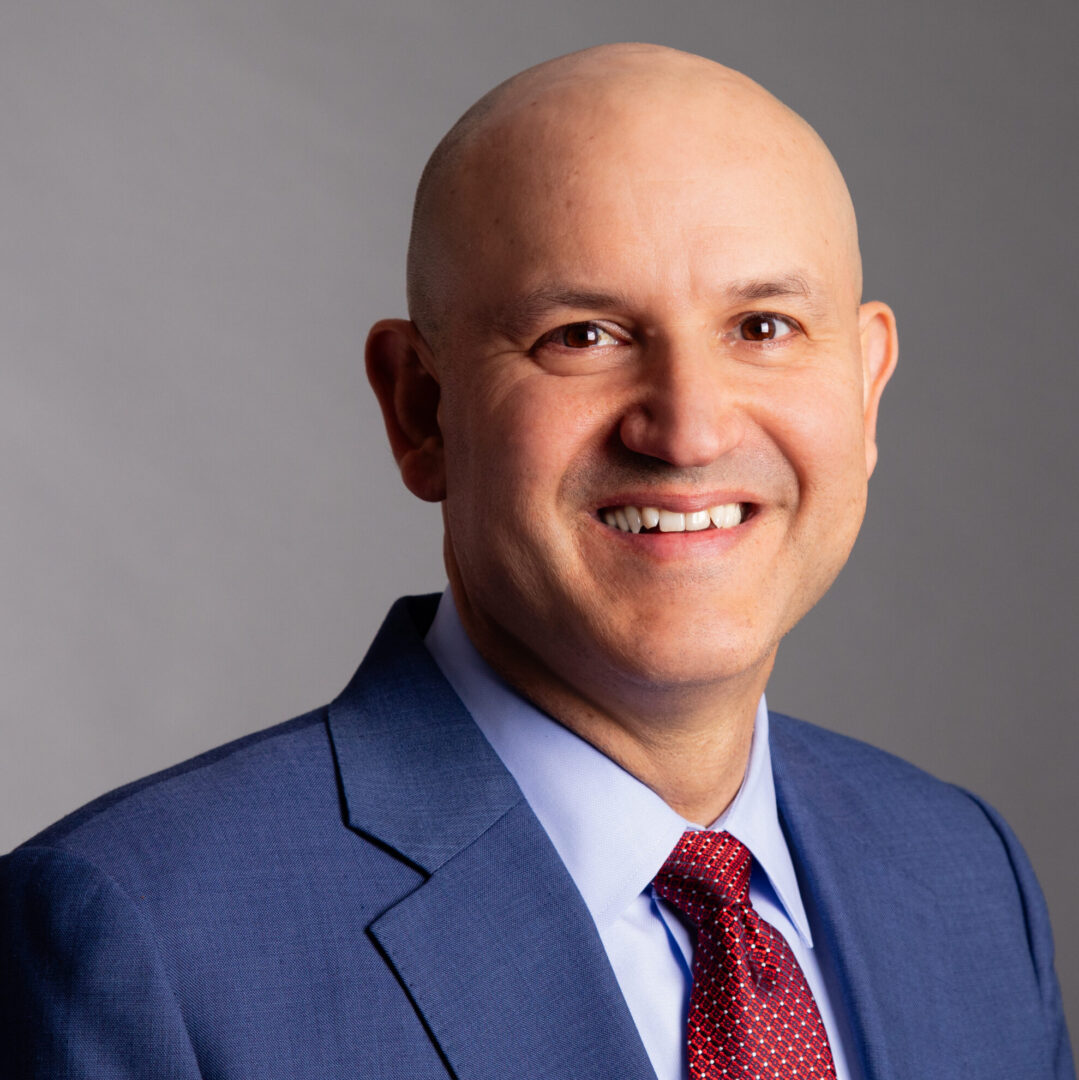
Javier Alberto Soto is president and CEO of The Denver Foundation. Since 2019, he has led the development of a strategic framework, the mobilization of significant resources to respond to the COVID-19 crisis and the foundation’s 100th anniversary. Previously, Javier served as president and CEO of The Miami Foundation. Javier has been on several civic and corporate boards and was awarded Denver Business Journal’s Leader in Diversity Award in 2024.
Javier has a B.A. in History and Political Science from Florida State University, a J.D. from Georgetown University Law Center and an M.A. in Sociology from the University of Colorado Denver.